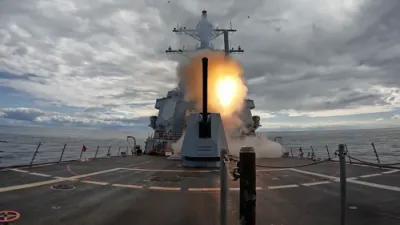
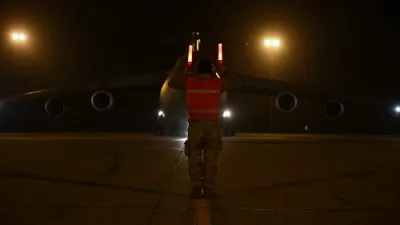
פאראייניגטע קעניגרייך האלט אן פארטיידיגונגס לופט אפעראציעס איבערן מיטל מזרח.
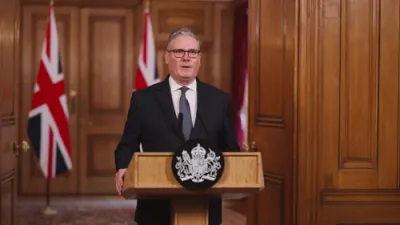
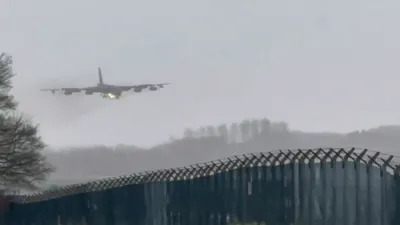
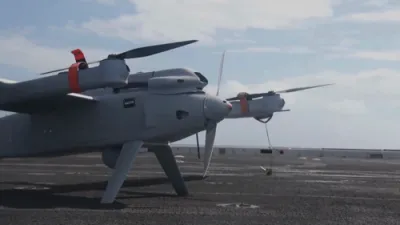
British Prime Minister Keir Starmer addressed the escalating conflict in the Middle East on Saturday, clarifying that the United Kingdom did not participate in recent strikes on Iran. Speaking in a video statement, Starmer emphasized that while British aircraft are currently flying over the region, their mission is limited to coordinated defensive operations aimed at protecting British citizens, national interests, and allied forces.
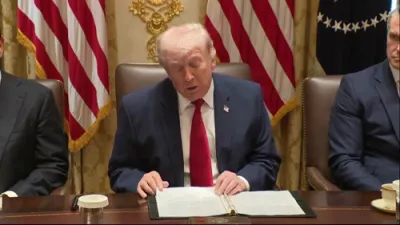
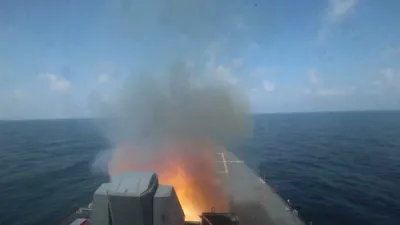
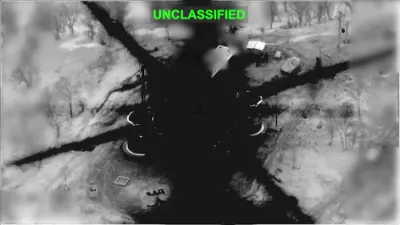
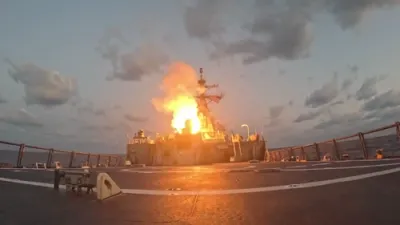
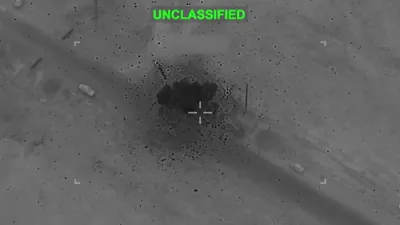
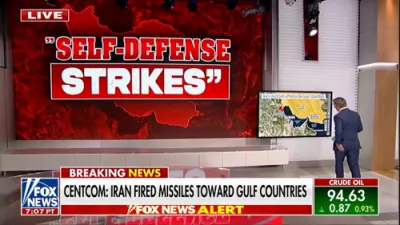
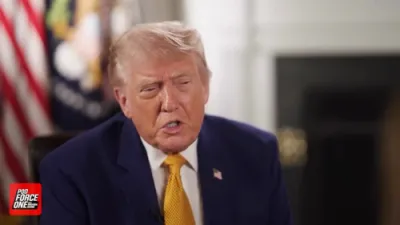
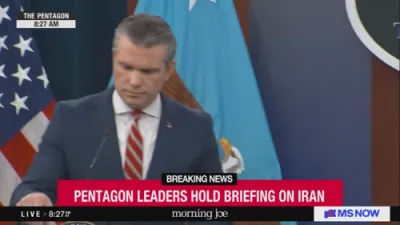
The statement was issued in the context of ongoing U.S.-Israel airstrikes targeting Iranian nuclear facilities and leadership assets, which began on February 28, 2026. President Donald Trump has described these operations as “major combat operations,” with public references to potential regime change following Tehran’s nuclear advancements and proxy attacks in the region. Starmer’s comments sought to differentiate Britain’s role from that of its allies, underscoring a focus on defense rather than offensive action.
Royal Air Force units deployed in the Middle East are reportedly conducting air patrols to monitor potential threats and provide rapid response capability in coordination with coalition partners. Officials emphasized that these operations are intended to maintain stability and ensure the safety of personnel and civilians, rather than engage in direct attacks on Iranian territory.
The Prime Minister’s clarification comes amid heightened international scrutiny, as media outlets and diplomatic sources assess the scope of allied involvement in the expanding U.S.-Israel campaign. By confirming Britain’s defensive posture, Starmer aims to reassure domestic audiences and allied governments that the United Kingdom is acting responsibly while remaining committed to regional security.
Analysts note that this positioning reflects a broader approach in which the UK participates in coalition operations to protect interests and maintain deterrence, without escalating conflicts through direct offensive measures. As tensions continue to rise, monitoring the actions of coalition partners remains a key component of diplomatic and strategic planning.