די קאנפליקט אין טעהראן
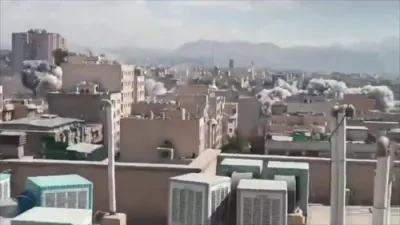
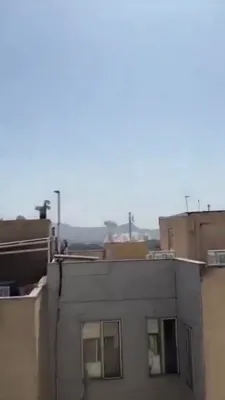
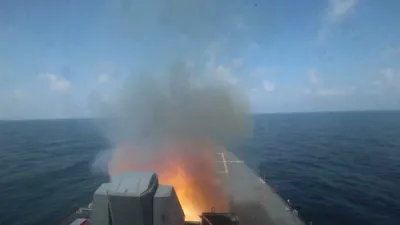
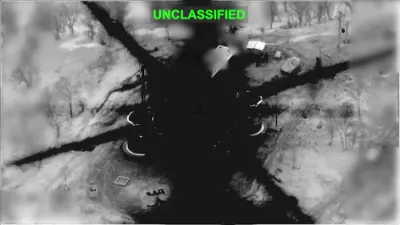
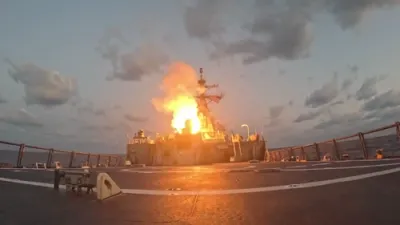
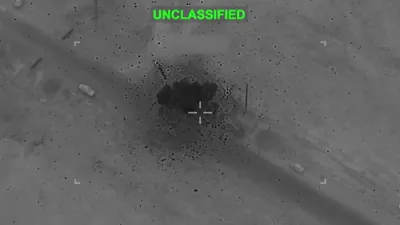
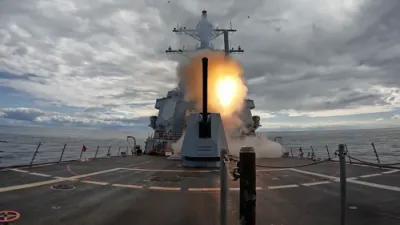
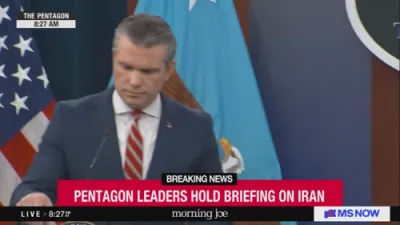
Real-time footage emerging from Tehran on March 2, 2026, shows the city engulfed in multiple explosions and towering plumes of black smoke as joint U.S.-Israeli airstrikes continue into their third day. The coordinated operation targets Iran’s nuclear facilities, military command centers, and missile infrastructure following the escalation that began on February 28, marking one of the most intensive campaigns against Tehran in recent history.
Military sources confirm that the strikes have impacted 131 cities across Iran, resulting in over 555 fatalities and the reported death of Supreme Leader Ali Khamenei. Satellite imagery and news coverage depict extensive urban damage, illustrating both the reach and precision of the U.S.-Israeli operations designed to neutralize Iran’s strategic capabilities while minimizing exposure of allied forces.
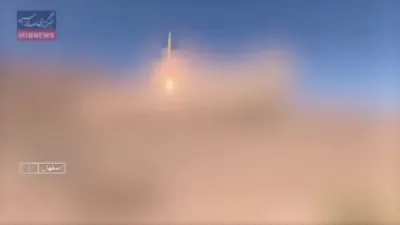
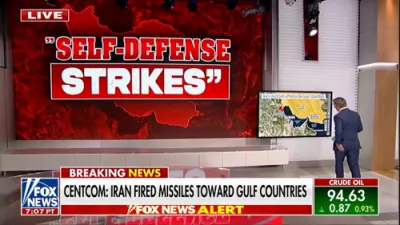
Iranian officials have publicly refused to enter negotiations or engage in diplomacy, instead responding with drone and missile strikes targeting Israel, Saudi Arabia, and U.S. assets in the region. Hezbollah has also been drawn into retaliatory actions, raising concerns among analysts about the potential for broader regional conflict.
The footage shows Tehran’s skyline dominated by smoke, fire, and plumes from successive explosions, capturing the human and infrastructural toll of the offensive. U.S. and Israeli military statements emphasize that the strikes are intended to dismantle Iran’s ability to wage aggression, degrade its command-and-control networks, and prevent further attacks on regional allies.
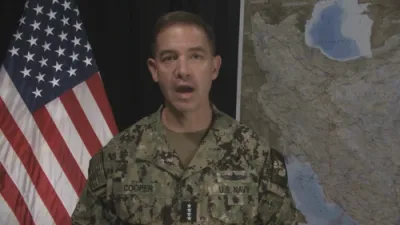
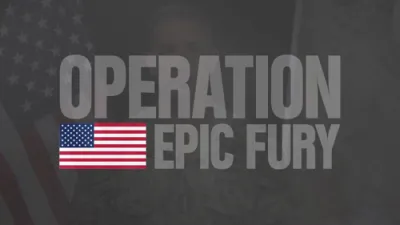
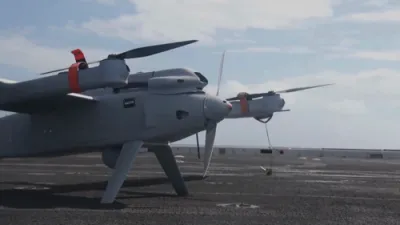
Operation Epic Fury demonstrates the integration of precision strike capabilities, real-time intelligence, and allied coordination, reflecting a sustained strategy to decisively weaken the Iranian regime’s military and nuclear capacity. While civilian and infrastructural impact remains a concern, allied officials underscore the campaign as a defensive and preemptive measure aimed at safeguarding Israel, the United States, and Gulf partners from ongoing Iranian threats.
As the conflict unfolds, the refusal of Iranian leadership to negotiate, combined with escalating retaliatory strikes, positions the region at a critical juncture, with international observers monitoring for potential escalation into wider confrontation.