געוועזענער יו-ען אינספעקטאר ריטער באהויפטעט אז מדינת ישראל שטייט פאר א שווערע סכנה פון איראן.
Former U.S. Marine and former UN weapons inspector Scott Ritter issued stark warnings about Iran’s missile campaign during a recent interview, asserting that the current reduction in launches is not a sign of Iranian weakness but rather a precursor to a major escalation. Ritter claimed that Iran is transitioning from older decoy missiles to more advanced, “big gun” systems and that Israel is “begging for an off ramp” as it faces potential vulnerability.
Ritter stated, “The drop in missile launches is not a sign of Iranian weakness. It is the calm before the storm as they move from 15 year old decoys to the ‘big guns.’” He further predicted that the conflict will continue until Tel Aviv is “turned upside down” and the U.S. “reset button is permanently broken,” framing the situation as a looming crisis for Israeli and American forces.
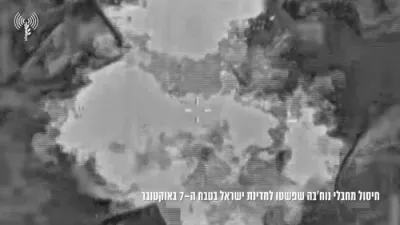
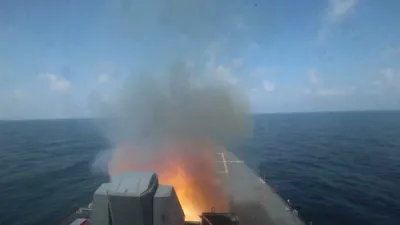
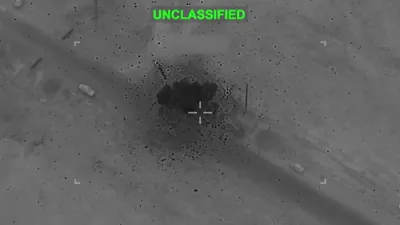
However, independent analyses and reporting from the Jerusalem Post and the Institute for the Study of War contradict Ritter’s assessment. Israel and U.S. strikes on Iranian missile sites since late February 2026 have reportedly reduced Iran’s launch rate by approximately 92%, dropping from 480 daily launches on February 28 to around 40 per day. These findings suggest that Iran’s capabilities have been significantly degraded and that Ritter’s predictions of an imminent large-scale escalation may be overstated.
Ritter, known for his outspoken critiques of Western policy, has previously made forecasts that did not materialize, including predictions of Russia swiftly defeating Ukraine, which have drawn skepticism from analysts and commentators. His remarks in this interview reflect his characteristic alarmist stance, emphasizing worst-case scenarios despite evidence of constrained Iranian operations.
Military analysts stress that while Iran retains some advanced missile capabilities, the ongoing joint U.S.-Israeli campaign has substantially degraded launch infrastructure, limited operational mobility, and reduced the threat to civilian and allied populations. Ritter’s warnings, though dramatic, must be weighed against verified intelligence and operational assessments that indicate sustained U.S.-Israel control over the pace and intensity of Iranian missile attacks.