וועלטליכע אויסערן מיניסטארן טרעפן זיך אין איסלאמאבאד צו באהאנדלען דעם קאנפליקט אין מיטל מזרח.
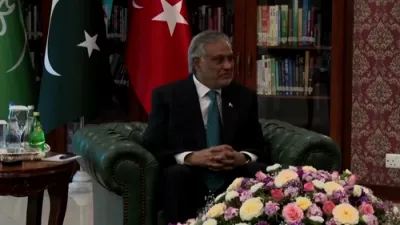
Pakistan is hosting a high-level quadrilateral summit in Islamabad, bringing together foreign ministers from Saudi Arabia, Turkey, Egypt, and Pakistan to address the escalating war in the Middle East. The talks aim to facilitate dialogue between the United States and Iran, positioning Islamabad as a key intermediary in ongoing negotiations. According to a Pakistani Foreign Ministry source cited by Al Jazeera, the discussions focus on reducing regional tensions and exploring avenues for de-escalation.
The summit, held from March 29–30, 2026, builds on earlier Arab-Muslim consultations in Riyadh, reflecting a coordinated effort to manage the Iran conflict. Pakistani officials emphasize the need for constructive dialogue and regional cooperation, while analysts note the complexities posed by deep divisions between Washington and Tehran. The meeting underscores Pakistan’s growing diplomatic role in mediating contentious Middle East issues.
Delegations from Saudi Arabia, Turkey, and Egypt are actively participating in strategy sessions, exploring proposals that could support a broader ceasefire and pave the way for negotiations. While the summit is primarily diplomatic, it also serves as a platform for regional powers to coordinate messaging and policy approaches in the context of rising hostilities.
Observers caution that despite these efforts, bridging the gap between the United States and Iran remains a formidable challenge. Long-standing political, ideological, and strategic differences could limit immediate breakthroughs, though incremental progress may still be possible through sustained multilateral engagement.
Overall, the Islamabad quadrilateral talks highlight the ongoing importance of regional diplomacy in mitigating Middle East conflicts. By fostering dialogue among key Muslim-majority nations, Pakistan seeks to create pathways for negotiations and reduce the risk of further escalation, even as the broader geopolitical landscape remains tense.