א ווידיאו ווייזט ווי א חיזבאללה ראקעט דערגרייכט צפת
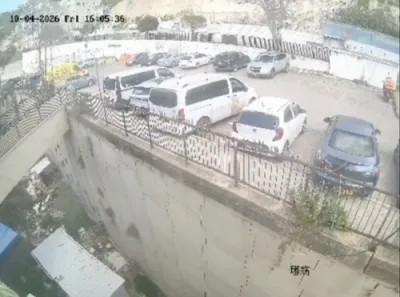
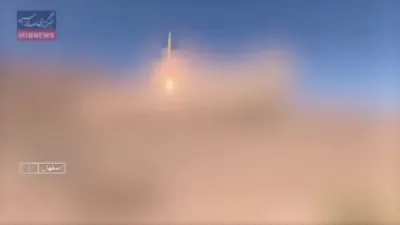
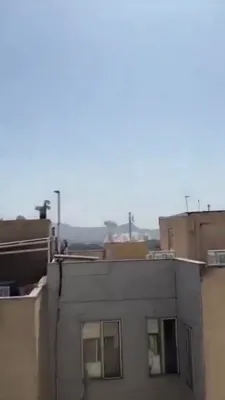
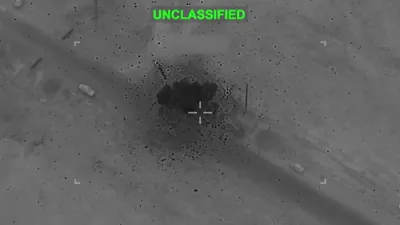
Hezbollah has launched a rocket attack on the northern Israeli city of Safed, marking a significant escalation in ongoing hostilities along the Israel-Lebanon border. According to initial reports, the group utilized 122mm Grad-type high-explosive fragmentation rockets, a widely used system known for its range and destructive capability. Security camera footage from the scene appears to show a direct impact in a parking area, triggering a large explosion and sending thick plumes of smoke into the air. The incident has heightened concerns over the vulnerability of civilian areas to cross-border attacks.
Additional video captured by individuals at the scene reveals the aftermath of the strike, including damaged vehicles, scattered debris, and emergency responders working to secure the area. Ambulances and rescue teams were quickly deployed, attending to those injured in the blast. While authorities have confirmed several injuries, no fatalities have been reported at this stage. The relatively limited casualty count may reflect rapid emergency response and the specific location of the impact, though the psychological and material damage remains significant.
The attack is widely viewed as part of Hezbollah’s retaliation for Israel’s recent military campaign, known as Operation Eternal Darkness, conducted on April 8–9, 2026. Those airstrikes reportedly targeted Hezbollah infrastructure across Lebanon and resulted in over 200 deaths, intensifying tensions between the two sides. The Safed strike underscores the cyclical nature of escalation, where military actions on one side are met with retaliatory measures from the other. Analysts warn that such exchanges risk spiraling into a broader and more sustained conflict.
The use of Grad rockets, which are relatively unguided but capable of causing widespread damage, highlights Hezbollah’s continued reliance on volume-based firepower to pressure Israeli defenses. Despite advancements in missile defense systems, the threat posed by these rockets remains a persistent challenge, particularly for communities in northern Israel. The direct hit captured on video illustrates the potential for significant destruction even with older-generation weaponry. This dynamic reinforces the ongoing need for vigilance and rapid response mechanisms.
As the situation develops, both military and political leaders are closely monitoring the implications of the attack. The strike on Safed may influence future operational decisions and diplomatic efforts aimed at de-escalation. However, with tensions already elevated following recent large-scale operations, the path forward remains uncertain. Observers note that the coming days will be critical in determining whether this incident remains contained or contributes to a wider regional confrontation.