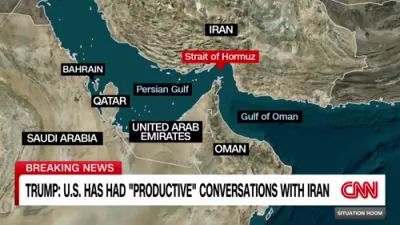
הארמוז קאנפראנטאציע: פרעזידענט טראמפ זאגט אז די הארמוז איז אפן טראץ א דראמאטישע אפשוואכונג אין שיפינג.
פרעזידענט טראמפ טענה'ט אז די הארמוז אדורכגאס איז "אפן"; שיפינג דאטא צייגט אבער א דראסטישע מאנגל אין טראפיק
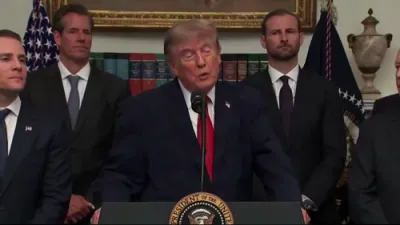
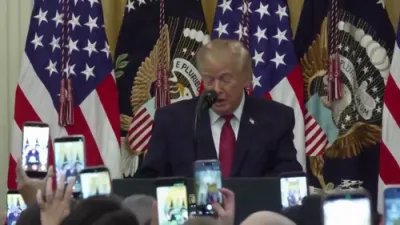
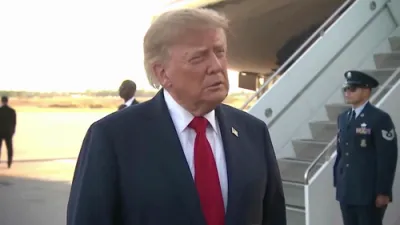
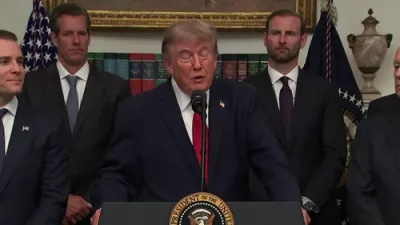
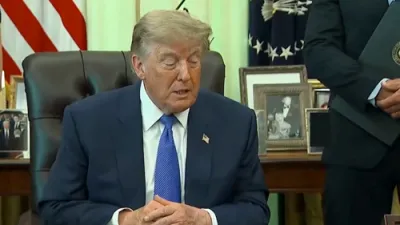
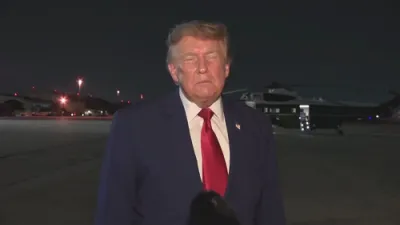
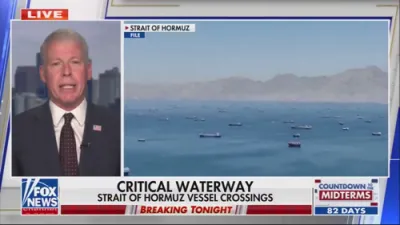
פרעזידענט דאנאלד טראמפ האלט זיך ביי זיינס אז די סטראטעגישע הארמוז אדורכגאס בלייבט אפן, זאגנדיג אז "א סאך שיפן פארן אדורך," בעת ער האט דערקלערט אז די אמעריקאנער נעיווי בלאקאדע אויף איראן איז "גאר עפעקטיוו." טראמפ האט אויך אנגעוויזן אז די מידיא באריכטעט נישט געהעריג די ריכטיגע ציפערן פון די שיפן וואס פארן דארט אדורך, צולייגנדיג אז וואשינגטאן וועט ווייטער האלטן א נאנטע אויג ווי אזוי די מצב אנטוויקלט זיך. די קאמענטארן קומען אין א צייט וואס די וויכטיגע וואסער-וועג געפינט זיך אין צענטער פון די אנגעצויגענע קאנפראנטאציעס צווישן אמעריקע און איראן.
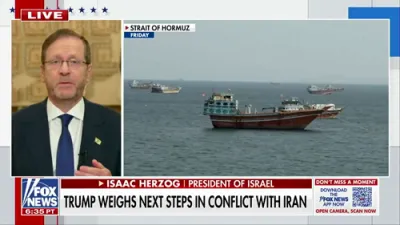
אומאפהענגיקע שיפינג דאטא צייגט אבער אן אנדערע בילד, אז די טראפיק איז דראסטיש נידריגער ווי נארמאל. לויט דאטא פון 'קעפלער' וואס איז ציטירט געווארן דורך די 'רויטערס' נייעס אגענטור, זענען בלויז 9 קאמערציאלע שיפן אדורך די אדורכגאס מיטוואך, אוגוסט 19. רויטערס האט אויך באריכטעט אז בלויז 5 שיפן זענען אדורך אוגוסט 15, און קיין איין שיף איז נישט רעקארדירט געווארן דעם קומענדיגן טאג. בעפאר דעם קאנפליקט פלעגן מער ווי 130 שיפן אדורכפארן דעם וואסער-וועג אין א נארמאלן טאג. דאס מיינט אז די יעצטיגע ציפערן זענען א געוואלדיגע רעדוקציע, כאטש טייל שיפן מאכן נאך אלס די רייזע.
די קעגנזייטיגע באריכטן ברענגען ארויס די אומקלארקייט ארום דעם וואס עס מיינט פונקטליך אז הארמוז איז "אפן." שיפן פארן טאקע אדורך, און 'לאידס ליסט אינטעלידזשענס' האט באריכטעט 73 שיפן וואס זענען אדורך צווישן אוגוסט 10 און אוגוסט 16, אריינגערעכנט א שיינע צאל שיפן וואס זענען נישט פארבינדן מיט איראן. אבער די נומערן זענען נאך אלס ווייט פון נארמאל, און אסאך אפערירער פארמיידן דעם רוט צוליב זיכערהייט ריזיקעס. עס איז אויך מעגליך אז טייל שיפן פארן מיט אויסגעלאשענע טרעקינג סיסטעמען, וואס מאכט עס שווער צו וויסן די פונקטליכע טראפיק ציפערן.
פון איראן'ס זייט האלטן זיי זיך ביי זייערס אז די אדורכגאס וועט זיך נישט אינגאנצן עפענען ביז וואשינגטאן וועט נאכגעבן טעהראן'ס פאדערונגען, אריינגערעכנט דאס ענדיגן די נעיווי בלאקאדע און אראפנעמען די עקאנאמישע פרעשור. די אנגעצויגנקייט האט איבערגעלאזט די שיפינג קאמפאניס מיט א שווערע דילעמע: צו זאלן זיי ריזיקירן אדורכצופארן א געפארפולע און פאליטיש-אנגעצויגענע וואסער-וועג, אדער בלייבן אינדרויסן פונעם גאלף און ווארטן אויף בעסערע צייטן. וויבאלד די אדורכגאס האט געטראגן א ריזיגע טייל פון די גלאבאלע ענערגיע סופליי בעפאר דעם קריזיס, האלט די יעצטיגע באגרעניצטע טראפיק די אויל מארקעטס און אינטערנאציאנאלע שיפינג אויף שפילקעס.
טראמפ'ס דערקלערונג ברענגט דעריבער ארויף א פיל גרעסערע פראגע: צי עפנט זיך די אדורכגאס טאקע אויף, אדער טוט וואשינגטאן פשוט טוישן דעם טייטש פון "אפן" בעת זיי האלטן אן א שטארקע קאנטראל אויף די וואסער-וועגן? די פאקטן אויפן טיש צייגן אז די וואסער-וועג איז נישט אינגאנצן פארשפארט, אבער עס אפערירט בכלל נישט נאנט צו די שטאפלען פון פאר די קאנפליקט. ווי לאנג די אמעריקאנער בלאקאדע, די איראנער פאדערונגען, און די שיפינג ריזיקעס קראכן זיך צוזאם, קען יעדע שיף וואס גייט אריין אדער ארויס פון הארמוז ווערן נאך א פראבע צו זען ווער עס קאנטראלירט באמת איינע פון די וועלט'ס מערסט סטראטעגישע וואסער-וועגן.