תל אביב סטודענטן פייערן כאמענעי'ס באריכטעטן טויט.
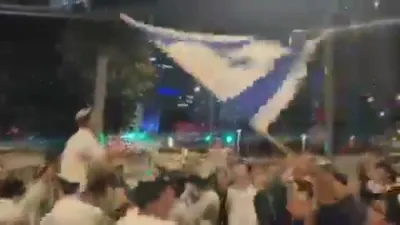
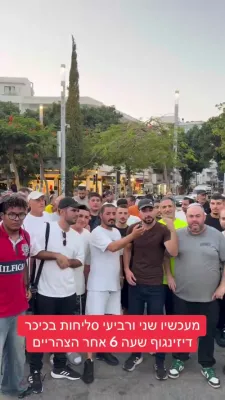
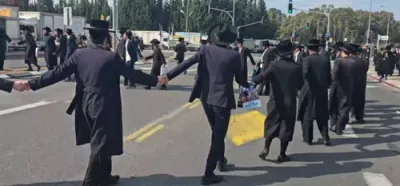
Video footage from Tel Aviv shows students at Ma’ale Eliyahu Yeshiva celebrating near IDF headquarters, waving Israeli flags and cheering in response to widely reported, though unverified, news of Supreme Leader Ayatollah Ali Khamenei’s elimination in an Israeli airstrike on February 28, 2026.
Khamenei, who led Iran since 1989, played a central role in directing the regime’s hostility toward Israel through support for proxy organizations such as Hezbollah and Hamas. His reported death is viewed by many Israelis, particularly nationalists, as a symbolic and strategic victory, representing a potential shift in the regional power dynamic.
The celebrations underscore the emotional and symbolic significance of leadership-targeted operations in the ongoing Israel-Iran conflict. While the reports have not been independently confirmed, the response among Israeli citizens reflects widespread relief and support for decisive military actions aimed at countering threats from Iran’s leadership and proxy networks.
Observers note that the jubilant reactions also highlight the intersection of national sentiment, military operations, and political messaging, as public morale and perception can play a critical role during periods of heightened regional tension. Authorities continue to monitor the situation closely, preparing for potential escalatory responses from Iran or its allied forces while ensuring civilian safety in urban areas.
This incident illustrates how targeted operations against high-profile regime figures can resonate far beyond the battlefield, shaping public opinion and signaling the potential impact of leadership decapitation on both domestic and regional stability.