טראמפ סיגנאלירט אז ער גייט אביסל נידערן טאריפס צו פארשטארקן די עקאנאמיע
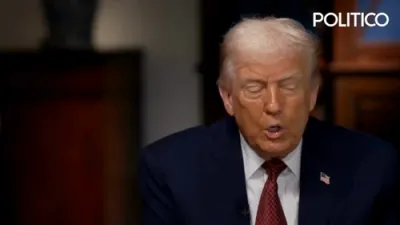
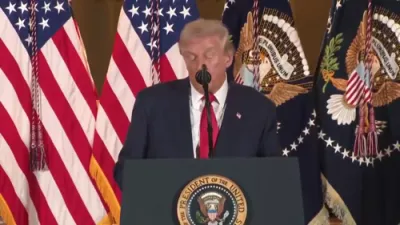
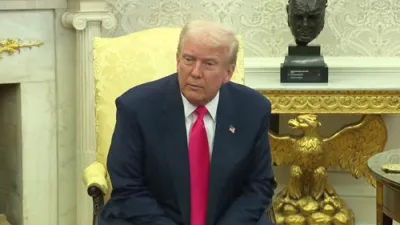
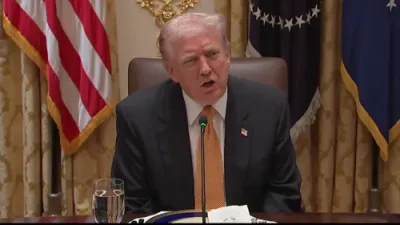
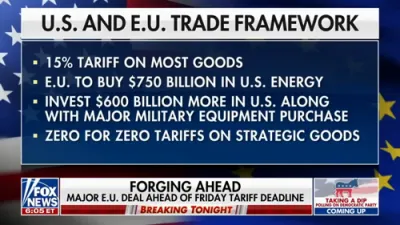
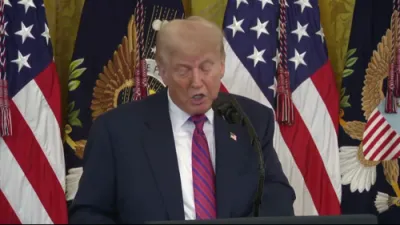
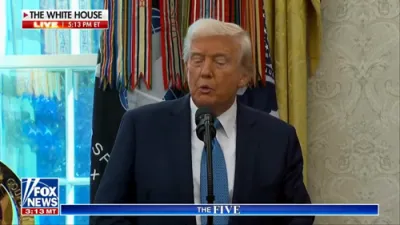
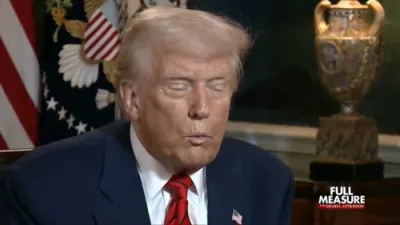
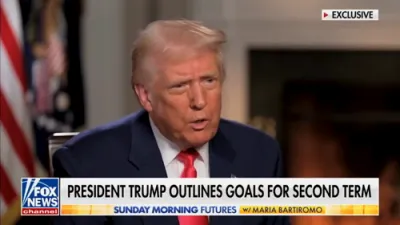
President Donald J. Trump outlined his targeted tariff strategy during a December 8, 2025, interview at the White House with Politico’s “The Conversation,” emphasizing a pragmatic approach designed to strengthen U.S. manufacturing while protecting essential imports. When asked whether he would reduce tariffs on any more goods, Trump responded: “On some — and on some, I'll increase tariffs,” signaling selective adjustments aimed at maximizing economic leverage.
The President highlighted specific carve-outs for everyday essentials such as coffee, ensuring American consumers continue to have access to key goods, while maintaining or increasing tariffs on other sectors to encourage domestic production. Trump credited these policies with funneling approximately $18 trillion into the U.S. economy, far surpassing results from the Biden era. He pointed to industries previously in decline, including autos, which had dropped 58%, and the semiconductor sector, where tariff-driven incentives contributed to Intel achieving a $40 billion valuation surge.
Trump framed the tariff approach as both defensive and strategic: protecting American jobs, reclaiming lost industries, and signaling to international partners that the United States will use economic tools decisively to its advantage. Supporters view this as a continuation of the administration’s hallmark pro-business, pro-manufacturing policy, demonstrating that careful, calculated use of tariffs can simultaneously strengthen domestic industries and expand U.S. economic influence globally.