נאטא פארברייטערט זייערע עקספענס צו פייטן רוסלאנד און טשיינע
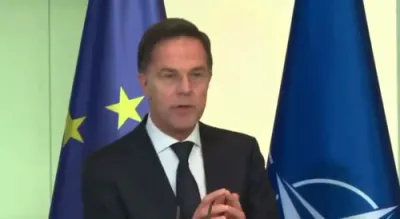
NATO Secretary General Mark Rutte emphasized Europe’s significant increase in defense spending, highlighting that some allies are approaching 5 percent of GDP to meet alliance capability requirements and counter mounting military challenges from Russia and China. Speaking at a recent press conference, Rutte underscored that the surge reflects a collective effort to strengthen European readiness and ensure that NATO forces remain effective and interoperable.
Europe’s acceleration in defense budgets comes after the 2025 NATO summit in The Hague, where leaders agreed to bolster spending well beyond the longstanding 2 percent target. Germany, for example, plans to increase defense expenditure to 3.5 percent of GDP by 2029, while other allies move closer to 5 percent in the near term.
Rutte credited part of this shift to continued U.S. pressure on burden-sharing, echoing President Trump’s first-term advocacy for fair contributions and recalling historical frustrations dating to the Eisenhower era over uneven defense commitments. The Secretary General noted that while the decision aligns with NATO’s strategic goals, it also responds to heightened global threats, particularly from Russia’s aggressive posture in Eastern Europe and China’s expanding military capabilities.
The increase in European defense spending is expected to fund modernization of equipment, expanded troop readiness, and joint training initiatives to enhance rapid response capabilities. Analysts suggest that this policy shift strengthens NATO’s deterrence posture while signaling a more balanced transatlantic approach to global security responsibilities.
Rutte concluded that the spending surge is a demonstration of allied solidarity and determination to maintain security in an increasingly complex geopolitical environment, emphasizing that investment in defense is crucial for both European stability and global alliance credibility.