די טראמפ אדמיניסטראציע וויל עפענען דאודזש דעפארטמענט אויך אין די יו ען
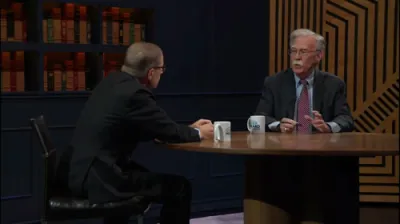
U.S. Ambassador to the United Nations Mike Waltz outlined sweeping reforms to UN operations during a December 2025 interview on "My View with Lara Trump," describing the administration’s approach as “DOGE-ing” the United Nations. The term references the Department of Government Efficiency initiative, emphasizing the goal of reducing bureaucratic waste and refocusing the organization on its core mission: stopping wars and preventing conflict.
Waltz detailed the measures, which include cutting 2,600 UN bureaucratic positions, slashing the UN’s core budget by 15 percent in the first fiscal year (approximately $577 million), and reducing peacekeeping forces by 25 percent. These changes aim to redirect resources from administrative overhead, which currently consumes about 40 percent of the UN’s $3.6 billion regular budget, toward operations that directly prevent or resolve conflict.
The reforms follow Waltz’s Senate confirmation in September 2025 and build on prior October agreements that reduced peacekeeping expenditures amid funding shortfalls. While some operations, particularly in regions like eastern DR Congo, may face adjustments, the initiative is projected to save U.S. taxpayers an estimated $900 million annually.
Ambassador Waltz emphasized that the cuts are not intended to undermine the UN’s mission but to make it more efficient and accountable. “It’s time for the UN to get back to basics: stopping wars and preventing conflict, not funding bloated bureaucracy on the American taxpayer’s dime,” he said.
The Trump administration’s strategy signals a shift toward pragmatic oversight of international organizations, aligning funding with results and minimizing expenditures that do not directly contribute to peacekeeping or conflict prevention. Analysts note that the reforms may spark debate among member states but could serve as a model for efficiency in multilateral operations.