טראמפ קלאסיפיצירט פענטאניל אלס א מאסן פארניכטונג וואפן.
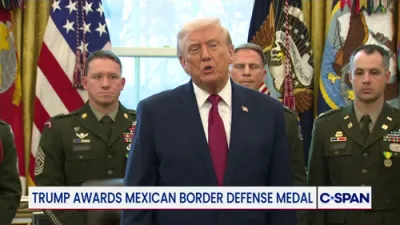
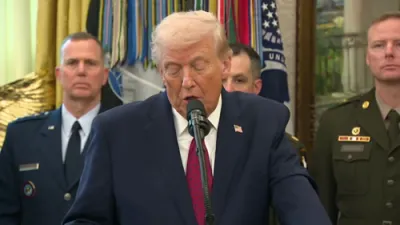
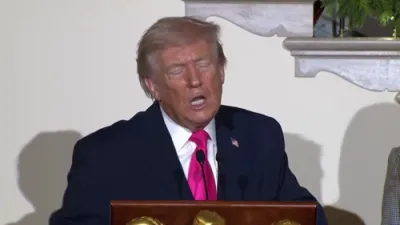
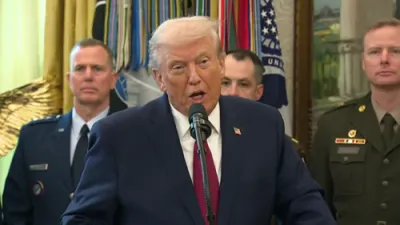
President Donald Trump has taken a decisive and unprecedented step in the fight against the opioid epidemic by signing an executive order formally classifying illicit fentanyl and its chemical precursors as weapons of mass destruction. Announcing the move, President Trump made clear that the devastation caused by fentanyl rivals, and in many cases exceeds, the impact of conventional weapons.
“We're formally classifying fentanyl a weapon of mass destruction,” the president stated. “No bomb does what this is doing.” The order elevates fentanyl trafficking from a criminal justice issue to a national security threat, unlocking broader federal authorities and intensifying the government’s response to the crisis.
The designation is expected to dramatically expand law enforcement and intelligence tools used against traffickers, foreign suppliers, and criminal networks responsible for flooding American communities with the deadly synthetic opioid. By invoking WMD-related authorities, federal agencies can apply enhanced surveillance, financial sanctions, and counterterrorism-style operations to dismantle fentanyl supply chains.
This action builds on President Trump’s earlier moves to designate major drug cartels as terrorist organizations, reflecting a strategy that treats mass drug poisoning as a form of asymmetric warfare against the United States. Administration officials argue that fentanyl is not merely a narcotic, but a mass-casualty agent that has killed more Americans annually than many armed conflicts.
According to recent federal data, fentanyl was linked to more than 70,000 overdose deaths in 2024 alone, a figure that underscores the scale of the crisis and the urgency behind the administration’s response. Supporters of the executive order say the new classification sends a powerful message to traffickers and foreign actors that the United States will respond with maximum force to protect American lives.
The executive order marks one of the most aggressive anti-drug actions in modern U.S. history, signaling a shift toward treating fentanyl trafficking as an existential threat rather than a conventional crime. As implementation begins, the administration has emphasized that the ultimate goal is simple and non-negotiable: saving American lives and ending the fentanyl scourge once and for all.