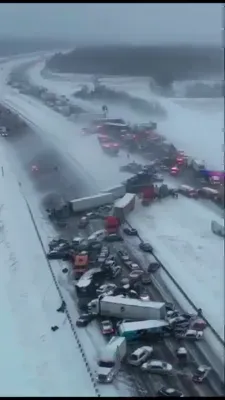
גרייטס אן די קאר פאר די שווערע שניי
As winter weather settles in across New Jersey, drivers face increased risks of breakdowns, accidents, and unexpected repair bills. To help motorists stay safe and avoid unnecessary trips to the garage, New Jersey’s Tom Krosnowski sat down with Chris Winter, owner of Winter Auto Repair in Robbinsville, for expert-approved advice on preparing vehicles for cold-weather commuting.
According to Winter, one of the most common winter-related failures starts with the battery. Cold temperatures significantly reduce battery efficiency, making older batteries especially vulnerable. He recommends having the battery tested before temperatures drop further and replacing any unit nearing the end of its service life.
Tires are another critical concern. Winter emphasized checking tire tread depth and air pressure regularly, noting that cold air causes tire pressure to drop. Underinflated or worn tires reduce traction on icy or snow-covered roads, increasing stopping distances and the risk of accidents. For drivers with long commutes, dedicated winter tires may offer additional safety.
Fluid levels also deserve attention. Antifreeze should be tested to ensure it provides adequate freeze protection, while windshield washer fluid should be rated for sub-freezing temperatures to prevent freezing in the reservoir or lines. Winter also advises checking engine oil viscosity, as manufacturers often recommend lighter oil grades for cold conditions to improve cold starts.
Visibility and safety equipment round out the checklist. Headlights, brake lights, and turn signals should all be inspected, as shorter days and harsh weather demand maximum visibility. Winter also suggests keeping an emergency kit in the vehicle, including a blanket, flashlight, jumper cables, ice scraper, and basic first-aid supplies.
“Most winter breakdowns are preventable,” Winter explained. “A little preparation now can save drivers a lot of time, money, and stress once the snow and ice hit.”
With winter commuting taking a toll on both drivers and vehicles, experts agree that proactive maintenance is the most effective way to stay safe, avoid costly repairs, and keep cars reliably on the road throughout the season.