נתניהו באשטעטיגט א 110 ביליאן דאלאר פלאן צו פארגרעסערן מדינת ישראל'ס וואפן פראדוקציע.
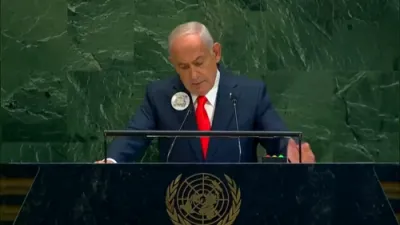
Israeli Prime Minister Benjamin Netanyahu announced a sweeping $110 billion, decade-long plan to expand domestic arms production, signaling a strategic shift toward greater self-reliance in defense technology amid ongoing regional threats.
The plan is designed to reduce Israel’s dependence on foreign suppliers, particularly the United States, which has historically been the country’s primary arms partner. Delays in past shipments during critical periods, including the recent Gaza conflict, highlighted vulnerabilities in relying heavily on external sources for advanced military equipment.
Under the initiative, Israel will invest in advanced manufacturing facilities, research and development, and strategic defense projects that encompass both conventional weapons and cutting-edge technologies such as missile defense, precision-guided munitions, and autonomous systems. The move aims to ensure that Israeli forces can maintain operational readiness and technological superiority, even in scenarios where foreign supply chains are disrupted.
Netanyahu emphasized that the investment is not only a matter of national security but also a long-term economic strategy. By expanding domestic production, Israel will create thousands of high-tech jobs, foster innovation, and enhance the resilience of its defense sector against external pressures.
The announcement reflects Israel’s proactive approach to self-sufficiency in defense amid an increasingly complex security environment, where regional adversaries continue to develop sophisticated capabilities. Officials noted that the plan will position Israel to respond rapidly to emerging threats while strengthening its strategic independence.
Supporters hailed the initiative as a forward-looking move that balances military preparedness with economic growth, while critics have questioned the scale of expenditure. Nevertheless, Netanyahu made clear that ensuring Israel’s security and maintaining a technological edge are non-negotiable priorities for his government.