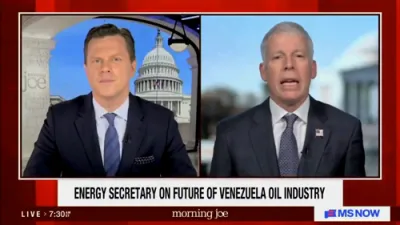
סעקרעטאר בורגאם זאגט אז צופיל אויל פירער האבן געוואלט זיך אנשליסן אין די טראמפ-ווענעזועלא געשפרעכן.
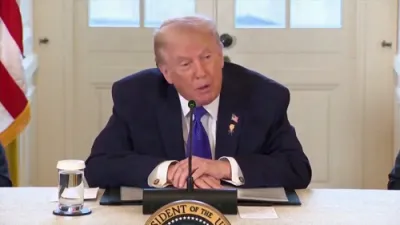
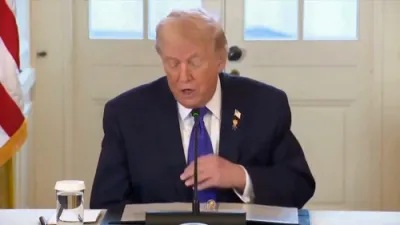
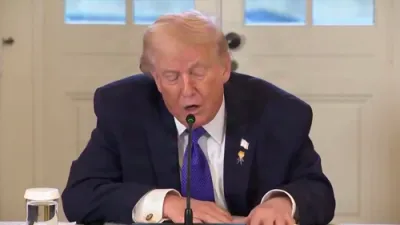
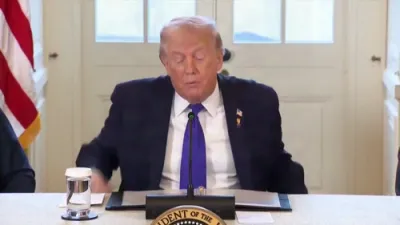
Interior Secretary Doug Burgum highlighted overwhelming industry interest in the Trump administration’s plans to revitalize Venezuela’s oil industry, noting that there were simply “not enough seats in the room” to accommodate all the oil executives who wanted to participate in a White House meeting with President Donald Trump on January 9, 2026.
The meeting brought together senior executives from major U.S. and international energy companies to discuss the administration’s post-sanctions strategy for unlocking Venezuela’s vast hydrocarbon potential. With estimates placing Venezuela’s proven reserves at approximately 303 billion barrels — second only to Saudi Arabia — the strategic stakes are immense as the United States seeks to restore energy production, counter foreign influence, and stabilize global markets.
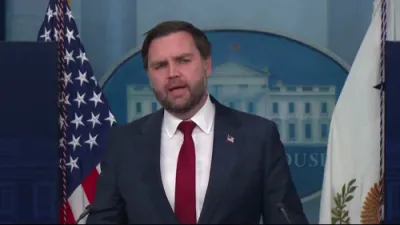
Secretary Burgum’s remarks, as captured in video from the event, underscore the strong appetite within the energy sector to engage with the United States on opportunities presented by the nation’s recent policy shift. “There are not enough seats in the room,” Burgum observed, reflecting dozens more firms and executives who sought direct dialogue with the administration. The comments reflect broader momentum among independent producers, refiners, and service providers as they assess the prospects of re-entry into a long-undercapitalized Venezuelan oil industry.
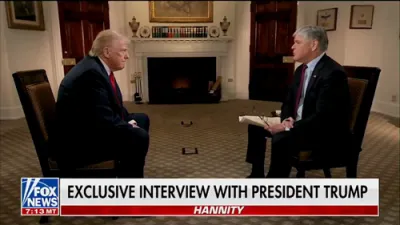
The White House meeting aligns with President Trump’s broader effort to marshal private capital — an estimated $100 billion or more — to rebuild Venezuelan oil infrastructure while ensuring American leadership in the sector. Trump has pitched guarantees of security and regulatory clarity, asserting that U.S. companies will operate under stable conditions directly with the U.S. government rather than engaging with Venezuelan authorities. This approach is designed to reduce political risk and encourage investment, even as some executives remain cautious about commercial and legal frameworks in the region.
Despite mixed initial reactions from executives — ranging from cautious interest to demands for legal and commercial reforms before committing significant capital — the level of engagement and interest in attendance underscores a potential shift in industry sentiment. It further emphasizes the central role energy plays in national security and economic strategy under the Trump administration.
By facilitating broad industry participation and generating robust dialogue with energy leaders, the administration aims to leverage U.S. technical expertise and investment capacity to catalyze a resurgence of Venezuelan oil output. If successful, this initiative could yield significant benefits not only for American energy companies but also for U.S. energy security and global market stability.