טראמפ האט ארויסגעגעבן א גרויסע געזונטהייט פלאן צו שניידן מעדיצין פרייזן.
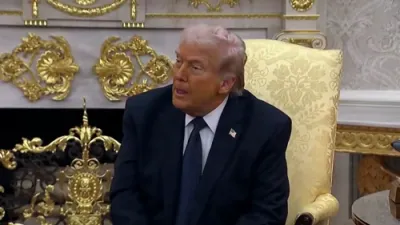
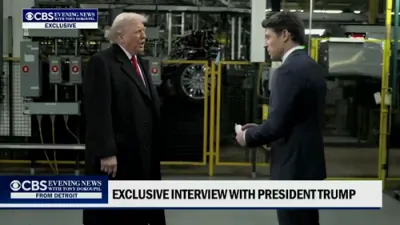
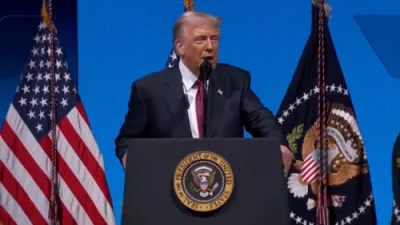
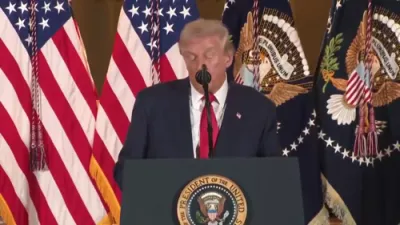
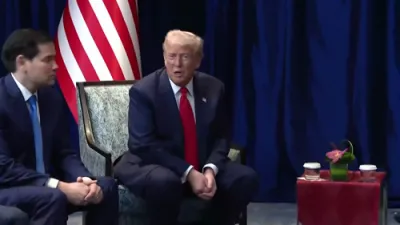
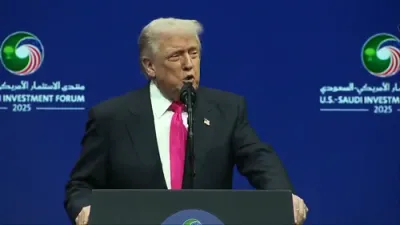
President Donald Trump has unveiled what he calls the “Great Healthcare Plan,” a sweeping proposal aimed at restoring affordability, transparency, and accountability to America’s healthcare system as costs continue to spiral under the Affordable Care Act. Announced on January 15, 2026, the plan positions patients — not insurance companies or government bureaucracies — at the center of healthcare decision-making.
At the core of the proposal is a most-favored-nation pricing model for prescription drugs, which would peg U.S. drug prices to the lowest rates paid by other developed countries. Under this approach, certain medications could see price reductions of 80 to 90 percent. The administration plans to implement this policy through TrumpRx.gov, allowing Americans to directly benefit from global price parity rather than subsidizing higher costs imposed by pharmaceutical middlemen.
The plan also restructures how healthcare subsidies are distributed. Instead of routing Affordable Care Act subsidies to insurance companies, the proposal redirects those funds into individual Health Savings Accounts. These accounts would give Americans direct control over their healthcare dollars and are projected to reduce insurance premiums by 10 to 15 percent. The shift comes as ACA benchmark premiums are set to rise 115 percent in 2026, reaching an average of $1,904 per month after pandemic-era subsidies expire — a surge expected to leave an additional 1.4 million Americans uninsured.
Another pillar of the plan mandates insurer accountability through public reporting. Insurance companies would be required to disclose premium increases, claim denial rates, and executive compensation, allowing consumers to compare plans with full visibility into how insurers operate. This measure is intended to curb abusive practices and restore competition in markets long dominated by consolidated insurance giants.
The proposal further enforces price transparency across Medicare and Medicaid providers, requiring hospitals and healthcare systems to publicly disclose real prices for procedures and services. Supporters argue that transparency alone can drive down costs by exposing inflated pricing structures that have thrived in opaque systems.
Republican lawmakers have praised the plan as a long-overdue challenge to entrenched interests in the healthcare industry, describing it as a patient-first alternative to government expansion and corporate capture. Critics, meanwhile, argue the plan revives earlier reform concepts and question implementation details, though supporters counter that decisive executive action and regulatory enforcement can deliver results where prior administrations failed.
By shifting power from insurers to individuals, targeting runaway drug prices, and demanding transparency across the system, President Trump’s Great Healthcare Plan seeks to fulfill a long-standing promise: affordable healthcare without sacrificing choice, competition, or personal freedom.