קאנאדע'ס קארני רעדט וועגן "נייע וועלט ארדענונג" בשעת זיין כינע געשפרעכן.
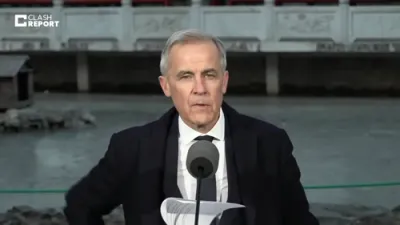
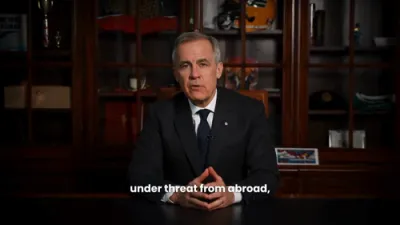
Canadian Prime Minister Mark Carney is drawing attention and scrutiny after invoking the phrase “new world order” while speaking to reporters during high-level trade talks in Beijing. Asked directly what he meant by the term, Carney framed it as a response to what he described as the erosion of the existing global architecture, particularly long-standing multilateral institutions that have governed trade and diplomacy for decades.
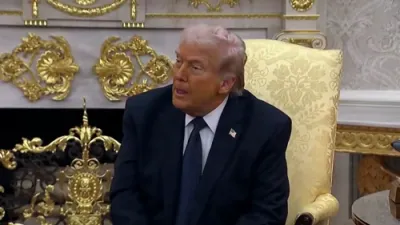
According to Carney, the current system is being undercut and reshaped by global economic shifts, leaving open the question of what will replace it. His remarks came as Canada pursued a trade agreement with China that diverges sharply from the approach taken by the United States under President Donald Trump, who has emphasized national sovereignty, strategic decoupling, and protection of domestic industries.
During the Beijing visit, Canada reached a bilateral arrangement that reduces Canadian tariffs on Chinese electric vehicles in exchange for lower Chinese duties on Canadian canola exports. The deal signals Ottawa’s effort to diversify its trade relationships and reduce dependence on traditional partners, even as Washington continues to pressure allies to limit economic exposure to Beijing amid national security and supply-chain concerns.
Carney’s comments and the accompanying trade agreement highlight a growing divergence between Canada and the United States on how to navigate an increasingly fragmented global economy. While the Trump administration has argued that multilateral institutions have failed American workers and enabled unfair trade practices, Carney appears focused on rebuilding or reimagining those frameworks through alternative partnerships.
Critics warn that Canada’s outreach to China risks legitimizing an authoritarian regime and weakening coordinated Western pressure on Beijing. Supporters of the Trump administration’s trade strategy argue that the so-called erosion of the global system is not a crisis but a necessary correction after years of imbalance that favored adversaries at the expense of national interests.
As global power dynamics continue to shift, Carney’s remarks underscore a broader debate now playing out among U.S. allies: whether to align with Washington’s push for a reassertion of national control or pursue independent paths within an emerging and uncertain international order.