טערקישע אטאקעס אויף די קורדישע SDF
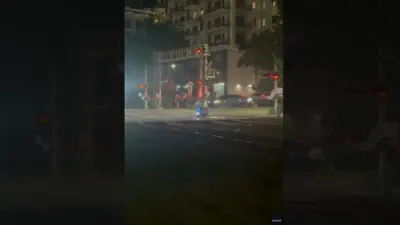
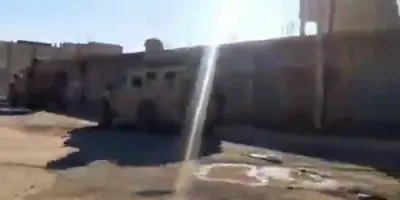
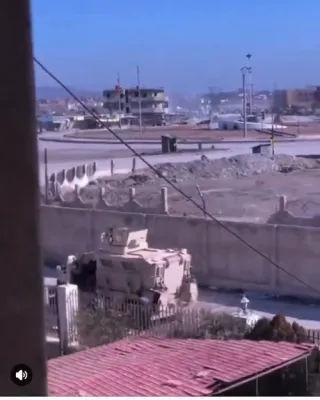
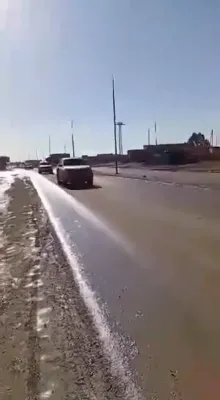
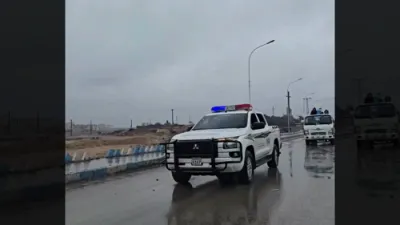
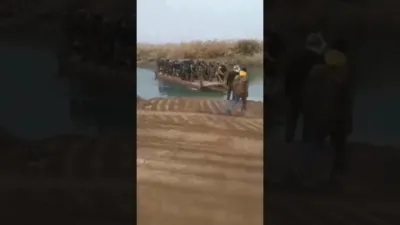
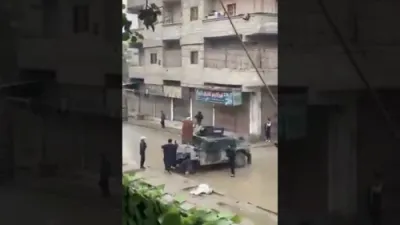
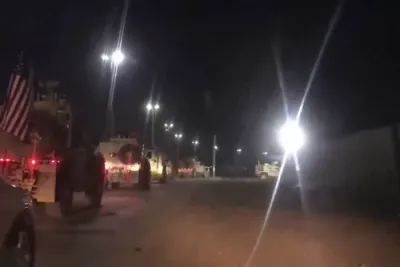
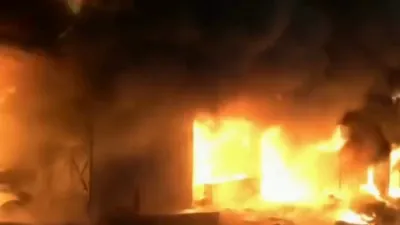
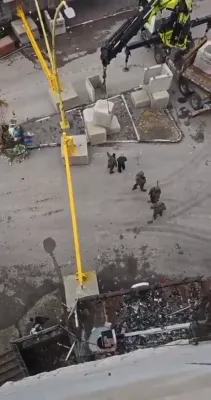
Turkish fighter jets carried out airstrikes against positions held by the Syrian Democratic Forces in the Asami al-Hol area of Syria’s Hasakah Governorate, marking a significant escalation in Ankara’s long-running campaign against the U.S.-backed Kurdish-led force. The strikes were accompanied by visible explosions, with footage showing a large plume of smoke rising from the impact zone and additional video depicting SDF fighters near armored vehicles as blasts echoed across the desert landscape.
The operation comes just days after a January 18 ceasefire between Syrian government forces and the SDF, following Damascus’ seizure of key oilfields and territory in northeast Syria. While that agreement reduced direct clashes between the SDF and the Syrian regime, it did not address Turkey’s objections to the group’s presence and control near its southern border.
Ankara has consistently viewed the SDF as an extension of the Kurdistan Workers’ Party, or PKK, which Turkey designates as a terrorist organization. Turkish officials argue that allowing the SDF to entrench itself in northern Syria poses a direct national security threat, particularly in areas close to Turkish territory. As a result, Turkey has repeatedly used airstrikes and cross-border operations to weaken SDF infrastructure and limit its operational freedom.
The latest strikes underscore the complex and volatile dynamics in northeast Syria, where multiple actors with competing interests operate in close proximity. Even as ceasefires and localized agreements reshape control on the ground, Turkey has signaled it will continue unilateral military action when it believes its security concerns are not addressed.
The situation highlights the fragility of stability in the region, where shifting alliances, unresolved conflicts, and overlapping military operations continue to drive periodic escalation. With the SDF caught between pressure from Damascus and sustained attacks from Turkey, the prospects for a durable calm in northeast Syria remain uncertain.