נאטא טשיף רוטה ווארנט אז אייראפע קען זיך נישט פארטיידיגן אן די אמעריקאנער הילף.
NATO Secretary General Mark Rutte delivered a blunt warning to European leaders, stating that Europe cannot defend itself without the United States and cautioning against what he described as unrealistic expectations of strategic independence. Speaking before committees of the European Parliament, Rutte emphasized that American military power remains indispensable to Europe’s security architecture.
“If anyone thinks here, again, that the European Union or Europe as a whole can defend itself without the U.S., keep on dreaming,” Rutte said, underscoring the scale of resources and capabilities currently provided by Washington. He warned that a fully independent European defense posture would require defense spending levels approaching 10 percent of GDP, along with the development of its own nuclear deterrent—steps he suggested were politically and economically implausible for most European nations.
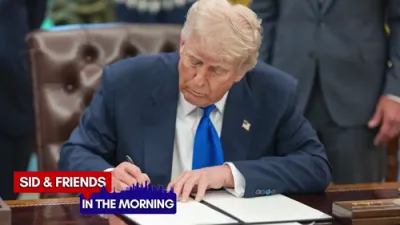
Rutte praised President Donald Trump for applying sustained pressure on NATO allies to meet their defense commitments, noting that Trump’s insistence on fairness led many countries to finally reach the long-standing 2 percent GDP spending target. He also highlighted recent pledges by NATO members to work toward spending 5 percent of GDP on defense by 2035, describing the shift as a direct result of U.S. leadership demanding accountability.
While stressing Europe’s dependence on the United States, Rutte also acknowledged that the relationship is mutually beneficial. A stable and secure Europe, he argued, remains vital to American strategic interests, reinforcing the transatlantic alliance as a two-way commitment rather than a one-sided burden.
Not all European leaders agreed with Rutte’s assessment. French Foreign Minister Jean-Noël Barrot pushed back, asserting that Europeans must take greater responsibility for their own security and strengthen NATO’s European pillar. Barrot argued that relying too heavily on the United States risks strategic vulnerability and limits Europe’s ability to act independently in future crises.
The exchange highlighted a growing debate within Europe over defense autonomy versus alliance reliance. As global threats expand and geopolitical tensions rise, Rutte’s remarks served as a stark reminder that Europe’s security, for now, remains deeply tied to American power—and that attempts to go it alone would come at an extraordinary cost.