טראמפ פראמאטירט סעיוו אמעריקע אקט צו ענדיגן וואלן שווינדלעריי.
President Donald Trump is once again placing election integrity at the center of the national debate, arguing that secure elections are essential to preserving public trust in American democracy. Speaking about the need for reforms, President Trump said the country must have elections “where people aren’t able to cheat,” adding that he is determined to get it done and noting that the issue polls highly even among Democratic voters.
The comments come as President Trump promotes the SAVE America Act, a sweeping election reform proposal introduced on January 29, 2026, by Representative Chip Roy and Senator Mike Lee. The legislation builds on earlier election security efforts by establishing national standards aimed at preventing fraud and restoring confidence in the voting process. Key provisions include requiring voter identification, mandating proof of U.S. citizenship to vote in federal elections, and rolling back mass mail-in voting systems that critics argue are vulnerable to abuse.
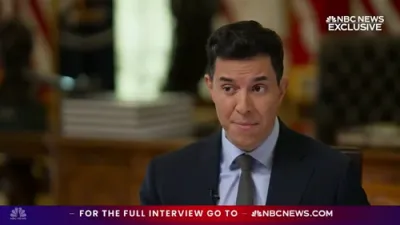
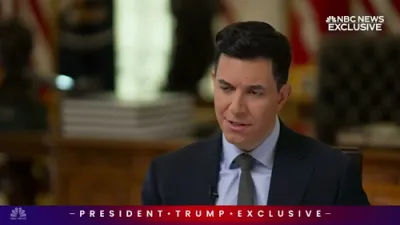
During coverage of the issue, NBC acknowledged that voter ID laws enjoy wide public support but emphasized that most Democrats on Capitol Hill oppose them. Supporters of the legislation see this contrast as a clear example of the divide between voters and political elites, pointing to polling that shows strong bipartisan backing for voter ID requirements, including substantial support from Democratic voters.
President Trump and his allies argue that opposition to voter ID and standardized election rules is increasingly out of step with public opinion. They contend that simple safeguards, such as verifying identity and citizenship, are common-sense measures already required in many areas of daily life and should not be controversial when applied to elections.
For proponents, the SAVE America Act represents a decisive step toward uniform, secure, and transparent elections nationwide. As the debate intensifies, President Trump continues to frame election integrity not as a partisan issue, but as a fundamental requirement for a functioning republic—one that voters across the political spectrum increasingly agree is overdue.