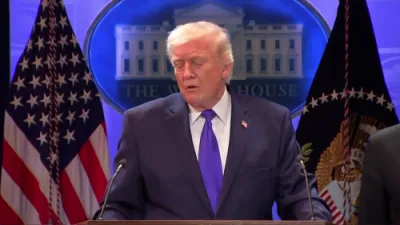
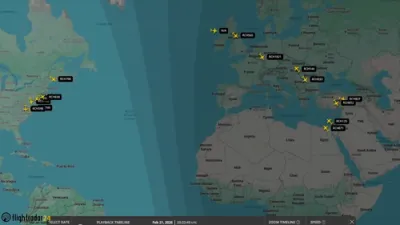
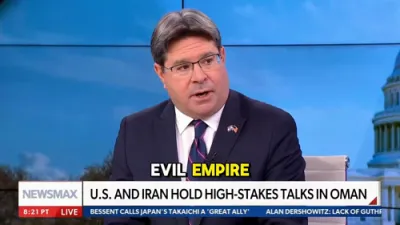
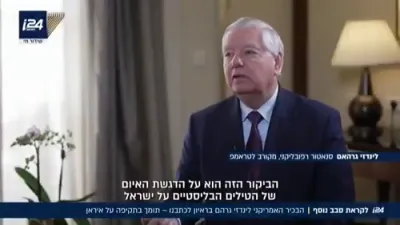
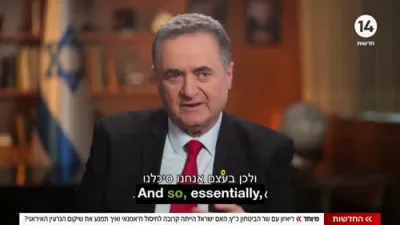
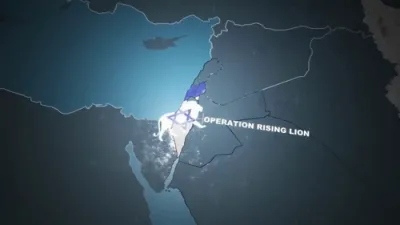
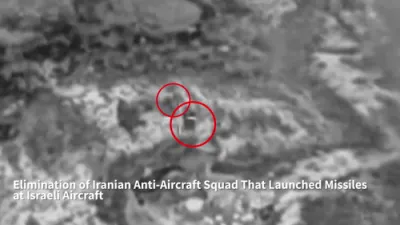
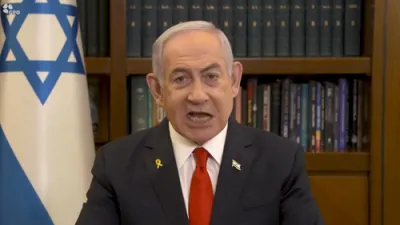
נתניהו ביים געבן אן (אום)אפעציעלע ביפאר קריג רעדע אין כנסת נעכטן
Prime Minister Benjamin Netanyahu has outlined an ambitious strategic framework designed to reshape Israel’s regional and global partnerships, proposing what he described as a “hexagon of alliances” that would connect Israel with India, select Arab states, African partners, and Mediterranean nations including Greece and Cyprus. The initiative reflects a broad effort to build a coordinated bloc centered on shared security interests, economic cooperation, and the joint effort to confront both Shiite and Sunni extremist threats.
The concept expands on the foundation laid by the Abraham Accords, moving beyond bilateral normalization agreements toward a multi-regional architecture that integrates defense coordination, intelligence sharing, energy collaboration, and technological development. By linking partners across multiple geographic theaters, the strategy aims to create overlapping layers of deterrence against Iran-backed networks, Hamas, and other destabilizing actors while also promoting economic corridors that tie together the Eastern Mediterranean, the Gulf, South Asia, and parts of Africa.
Recent diplomatic and security developments provide early indicators of this alignment taking shape. Israel’s growing defense cooperation with India has deepened through joint technology initiatives and procurement agreements, while trilateral energy and security dialogues with Greece and Cyprus have established a Mediterranean platform for maritime security and infrastructure planning. Quiet but expanding engagement with pragmatic Arab states and African governments has further reinforced the framework, particularly in areas such as counterterrorism, border security, water management, and agricultural innovation.
Strategically, the proposed alliance network reflects a shift from reactive posture to proactive regional structuring. Rather than focusing solely on immediate threats along its borders, Israel is seeking to embed itself within a wider system of interlocking partnerships that distribute security responsibilities and create mutual dependencies. This model reduces isolation risks, enhances early warning capabilities, and strengthens deterrence by signaling that aggression against one partner could carry broader geopolitical consequences.
Energy cooperation is emerging as a central pillar of the initiative. Eastern Mediterranean gas development, potential transport corridors linking the region to European and Asian markets, and joint infrastructure projects provide both economic incentives and strategic leverage. By integrating energy security with defense collaboration, the alliance framework aims to anchor long-term stability through shared economic interests that extend beyond traditional military ties.
The outreach to African nations adds another dimension, focusing on countering extremist movements, improving food and water resilience, and expanding technological partnerships. These efforts not only address security concerns but also position Israel as a development partner in regions where governance challenges and insurgent activity intersect.
Netanyahu’s proposal signals an understanding that the evolving threat landscape requires coalitions that are flexible, multi-domain, and geographically diverse. The “hexagon” concept is less a formal treaty structure and more a strategic ecosystem, designed to align nations that share concerns about regional extremism, maritime security, supply chain resilience, and technological competition.
As this network develops, its effectiveness will depend on sustained diplomatic engagement, tangible economic benefits for participating states, and the ability to translate shared interests into coordinated policy and operational mechanisms. If successful, the initiative could mark a significant evolution in Israel’s foreign policy, positioning it not only as a regional actor but as a central node in a broader trans-regional alliance system aimed at promoting stability and countering common threats.