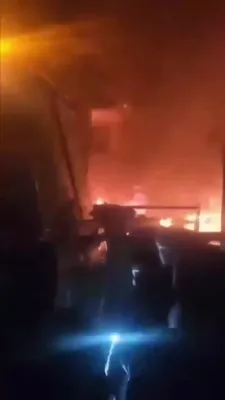
פראטעסטן אין איראן ווען מען זינגען טויט פאר כאמענעי.
Anti-regime protests have reemerged across Iran, with new demonstrations reported in Murmuri, Ilam province, where crowds gathered at night chanting “death to Khamenei.” Video circulating online shows groups of protesters defying security restrictions despite ongoing internet disruptions and an intensified government crackdown.
The renewed unrest appears to be part of the broader 2025–2026 nationwide uprising driven by severe economic deterioration, political repression, and public anger toward the ruling establishment. Human rights monitors estimate that more than 6,800 people have been killed since the protests began, reflecting one of the deadliest periods of domestic unrest in the country’s recent history.
Ilam province has become a focal point of confrontation between demonstrators and security forces. Reports from early January describe regime attacks on hospitals accused of treating injured protesters, a move that drew condemnation from international observers. Authorities have also implemented internet blackouts in areas such as Murmuri in an effort to prevent footage of demonstrations from reaching global audiences, though videos continue to surface through encrypted networks and diaspora channels.
The chants heard in Murmuri signal a direct challenge to Supreme Leader Ali Khamenei and underscore the increasingly political nature of the movement, which has evolved from economic grievances into calls for systemic change. Strikes, memorial gatherings for slain protesters, and sporadic street demonstrations continue to occur despite mass arrests and heavy security deployments.
The persistence of protests highlights the depth of public frustration and the difficulty the Iranian government faces in fully suppressing dissent. While authorities maintain a strict security posture, the recurrence of demonstrations suggests that underlying economic and political pressures remain unresolved, keeping the country in a state of prolonged instability.