ספיקער מייק דזשאנסאן רייסט אראפ די דעמאקראטן וואס מאכן פראטעסטן בשעת טראמפ'ס סטעיט אוו די יוניאן
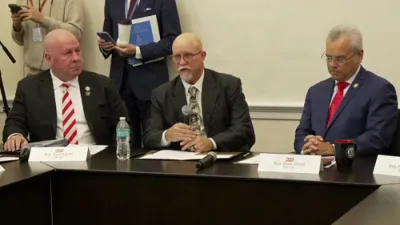
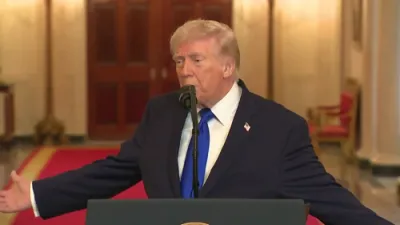
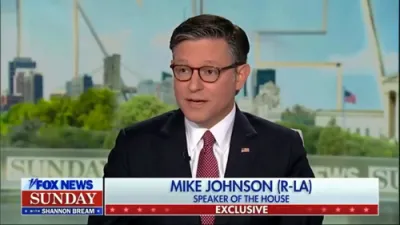
House Speaker Mike Johnson sharply criticized dozens of Democrats for boycotting President Donald Trump’s February 24, 2026, State of the Union address, calling the move a “tired playbook” of obstruction and arguing that it undermines the responsibilities of elected officials to their constituents. Speaking at a Capitol press conference, Johnson said the decision to hold multiple counter-events instead of attending the address sends the wrong message about congressional duty and institutional respect.
The boycott involves several House Democrats, including Representatives Adam Schiff and Pramila Jayapal, who opted to participate in at least five alternative gatherings, including rallies on the National Mall, to protest the president’s policies. Organizers framed the events as a platform to highlight policy disagreements and present alternative priorities, while supporters of the address emphasized the importance of maintaining traditional participation regardless of party differences.
Johnson rejected the rationale for the boycott, arguing that members of Congress represent more than 750,000 constituents each and have an obligation to be present for a constitutionally significant address. He noted that Republicans have historically attended State of the Union speeches delivered by presidents of the opposing party, describing attendance as part of the institutional role and a sign of respect for the office and the legislative process.
The speaker also linked the boycott to broader partisan tensions in Washington, accusing Democrats of favoring protest over legislative engagement. He contended that counter-events do not substitute for participation in formal proceedings and warned that repeated absences from major congressional functions risk deepening political divisions and eroding public confidence in governance.
Democratic participants in the counter-events argued that their actions were a form of political expression intended to draw attention to policy disputes and to represent constituents who oppose the administration’s agenda. The parallel events reflect an increasingly polarized political environment in which symbolic actions often accompany major national addresses.
The dispute highlights the evolving nature of congressional norms surrounding the State of the Union, which has traditionally served as a rare moment of unified attendance across party lines. As partisan strategies continue to shift, the balance between protest and institutional participation remains a central point of contention on Capitol Hill.