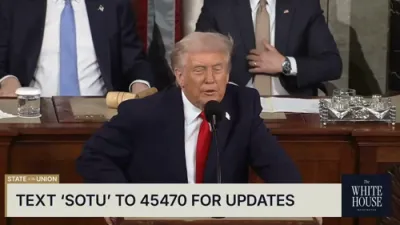
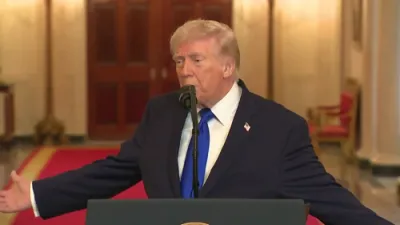
פרעזידענט טראמפ באגריסט די 50 יעריגע נידריגע גרענעץ שמוגלעריי.
President Donald Trump announced that for nine consecutive months no illegal migrants have been released into the United States interior, presenting the milestone as evidence that intensified border enforcement is producing measurable results. The claim is supported by Department of Homeland Security and Customs and Border Protection data showing that since May 2025, apprehended individuals have been detained, removed, or otherwise processed without release into the country. During the same period, southwest border encounters fell to levels not seen in roughly half a century, with January 2026 totals reported at approximately 6,000.
Administration officials argue that the shift reflects a structural change in enforcement strategy. Expanded detention capacity, accelerated removal procedures, and stricter asylum screening standards have reduced incentives for unlawful entry while increasing the likelihood of immediate repatriation. The result, according to federal data, is a sharp contraction in both attempted crossings and successful releases, signaling what the White House describes as restored operational control of the border.
Trump also pointed to national crime trends, highlighting a substantial decline in homicides across major U.S. cities. A comprehensive analysis by the Council on Criminal Justice covering 35 metropolitan areas documented a 21 percent reduction in murders during 2025, the largest single-year drop since modern record-keeping began. Projections based on those figures place the national homicide rate at approximately 4.0 per 100,000 residents, a level not recorded since the early twentieth century.
Supporters of the administration’s policies contend that the simultaneous decrease in illegal entries and violent crime underscores the public safety benefits of stricter immigration enforcement. They argue that reducing unlawful migration eases pressure on local law enforcement resources, disrupts transnational criminal networks, and enhances the ability of federal agencies to prioritize high-risk threats. The White House has framed the data as validation of a security-first approach that integrates border control with broader crime reduction efforts.
Critics caution that crime trends are influenced by multiple variables, including local policing strategies, economic conditions, and demographic factors, and they urge careful interpretation of causal relationships. Nonetheless, the scale and speed of the homicide decline have drawn bipartisan attention, with analysts noting that few historical precedents match the magnitude of the recent drop.
The administration maintains that sustained enforcement will be necessary to preserve these gains. Officials have emphasized continued investment in border infrastructure, technology-driven surveillance, and interagency coordination aimed at preventing a resurgence in illegal crossings. They also point to cooperation with state and local authorities as a key component of maintaining downward pressure on violent crime.
As the policy debate continues, the convergence of reduced border encounters and historically low homicide projections has become a central talking point for the White House. The data will likely play a prominent role in upcoming legislative discussions and public messaging, shaping competing narratives about the relationship between immigration policy and national security outcomes.