יונייטעד ערעב אימירעטס שיסט אראפ אן איראנע דראון
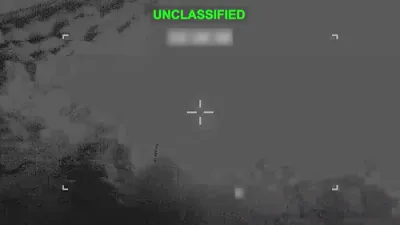
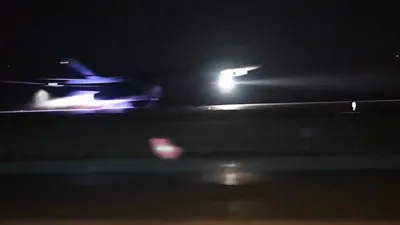
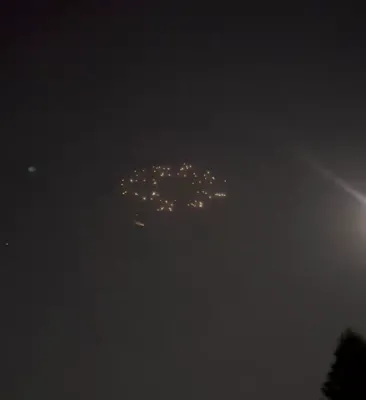
The United Arab Emirates Ministry of Defense released striking new footage showing Emirati Air Force AH-64E “Apache” attack helicopters engaging and destroying multiple Iranian one-way attack drones over the Persian Gulf. The video, published on March 8, 2026, captures the helicopters using their powerful M230 30mm chain guns to shoot down Iranian Shahed-136 unmanned aerial vehicles in precise mid-air intercepts as the drones attempted to penetrate regional airspace.
The engagement occurred during a broader wave of Iranian aerial attacks involving a large barrage of 117 drones and 16 missiles launched toward targets across the Gulf region. According to Emirati defense officials, the country’s air defense network successfully intercepted 113 of the drones before they could reach their intended targets. The released footage highlights the crucial role played by airborne interception units, particularly the Apache helicopters, which tracked and eliminated several incoming drones directly over the waters of the Persian Gulf.
The AH-64E Apache is one of the most advanced attack helicopters in service today and forms a central component of the UAE’s aerial defense and rapid-response capabilities. Equipped with the M230 chain gun mounted beneath the fuselage, the aircraft can fire high-explosive 30mm rounds with exceptional accuracy. In the footage, the helicopters maneuver into position and open fire on the incoming drones, destroying them in controlled bursts before they can continue toward strategic infrastructure.
Military analysts note that this type of counter-drone engagement represents an increasingly important tactic in modern air defense. Traditional interceptor missiles are effective but expensive, often costing thousands of dollars per launch. In contrast, the 30mm ammunition fired by the Apache’s chain gun costs less than $100 per round. By using helicopter-based gun systems against slow-moving drones such as the Shahed-136, air defense forces can neutralize threats at a fraction of the cost while preserving higher-end missile interceptors for more advanced threats like cruise or ballistic missiles.
The Shahed-136 drone has become a widely used weapon in Iran’s asymmetric military strategy. Designed as a loitering munition, it travels long distances before striking targets with an explosive payload. Iran and its network of regional proxies have repeatedly deployed these drones against infrastructure, military bases, and civilian sites throughout the Middle East. Their relatively low cost and mass-production capability allow them to be launched in large numbers in an attempt to overwhelm air defense systems.
The attempted attacks on the Gulf states appear to have been coordinated as part of a larger escalation in regional tensions. In addition to the drones intercepted by the UAE, other Gulf allies including Bahrain participated in defensive operations, while Israel reportedly monitored and coordinated intelligence related to the aerial threats. Regional security officials say the barrage was part of a broader attempt by Iranian forces and proxy groups to pressure allied states following recent confrontations in the region.
Officials also reported that some of the drones were believed to be targeting strategic infrastructure, including desalination facilities that provide critical fresh water supplies to Gulf populations. These facilities are considered essential national assets in the desert climate of the region, making them high-priority targets during periods of geopolitical confrontation.
The UAE’s successful defense operation demonstrates the growing sophistication of integrated air defense networks across the Gulf. Modern systems combine radar detection, missile interceptors, fighter aircraft, and helicopter gun platforms to respond rapidly to a wide range of aerial threats. By integrating multiple layers of defense, countries like the UAE can adapt to evolving tactics used by adversaries who increasingly rely on drones and other unmanned systems.
The release of the combat footage also serves a strategic purpose. By publicly showcasing the effectiveness of its air defense capabilities, the UAE is sending a message of deterrence to hostile actors across the region. The images of Apache helicopters destroying incoming drones illustrate both technological readiness and operational confidence in defending national airspace.
As drone warfare continues to reshape military strategy throughout the Middle East, the ability to intercept large numbers of unmanned threats efficiently has become a critical capability. The UAE’s use of Apache helicopters armed with chain guns demonstrates a practical and cost-effective approach to countering mass drone attacks while maintaining readiness against more advanced missile threats.
With tensions across the region still elevated, defense officials say the UAE and its partners remain vigilant and prepared to respond to any further attempts to target strategic infrastructure or destabilize Gulf security.