געוועזענער NCTC דירעקטאר קענט האט געווארנט איבער איראן חדשים פאר זיין רעזיגנאציע.
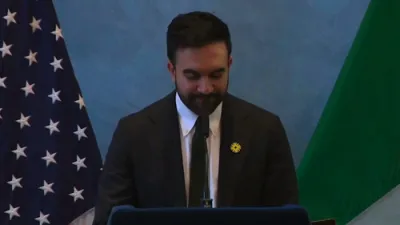
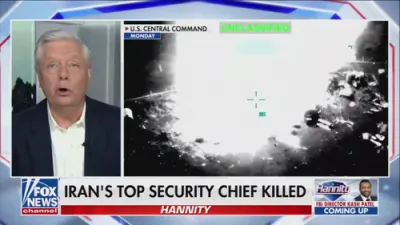
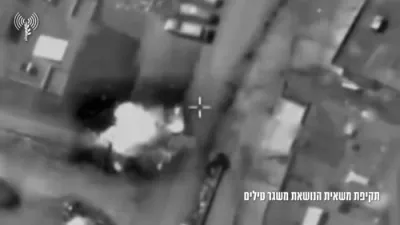
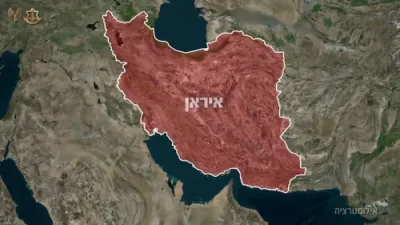
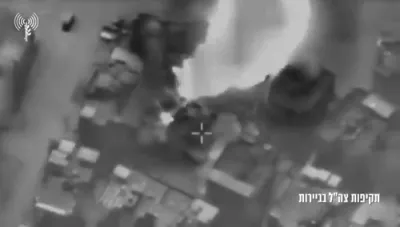
Former Joe Kent resigned from his position as National Counterterrorism Center director on March 17, 2026, citing disagreements over the perceived threat from Iran. In his resignation letter, Kent stated that Iran posed no imminent danger to the United States and criticized what he described as undue influence from Israel in shaping U.S. military decisions. His departure comes amid the ongoing U.S.-Iran conflict, which escalated following Trump-authorized strikes on Tehran and Iranian nuclear facilities earlier in 2026.
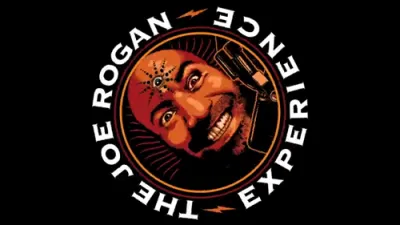
Kent’s shift in position contrasts sharply with comments he made just three months prior. In a December 2025 podcast, he had warned that Iran represented a major global threat and emphasized the need for U.S. military readiness, aligning with early signals from President Donald Trump regarding potential strikes against Tehran. The reversal highlights the growing internal debate within the U.S. national security community over the scope and justification of the military campaign.
The resignation underscores tensions between national security leadership and executive decisions during rapidly evolving crises. Analysts note that Kent’s earlier warnings lent credibility to hawkish positions, while his later statements reflect concerns about escalation risks, alliance pressures, and strategic overreach. This contrast has fueled public discussion over the accuracy of threat assessments and the role of advisory officials in shaping policy.
Observers say Kent’s departure could influence internal evaluations of the Iran operation and prompt scrutiny of the decision-making process behind U.S. military actions. His case illustrates the challenges officials face when balancing personal assessments of threat with political pressures and the unpredictable consequences of ongoing conflict. The situation adds complexity to an already tense U.S.-Iran standoff.