טראמפ זאגט אז ס'קומט נישט קיין וואפן שטילשטאנד ווען אמעריקאנער אטאקעס שוואכן אפ איראן.
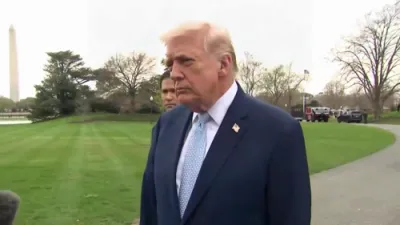
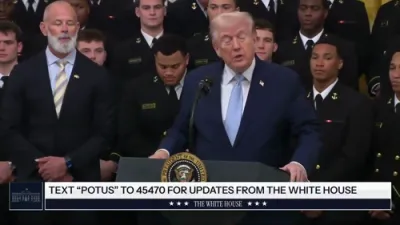
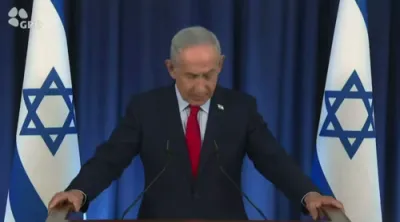
President Donald Trump made clear on March 20 that his administration is not prepared to pursue a ceasefire with Iran, arguing that such a move would make little sense while U.S. forces and their allies are steadily dismantling Tehran’s military capacity. Speaking during a White House press interaction, Trump said dialogue may come later, but insisted this is not the moment to halt operations. His remarks project confidence that the current strategy is producing decisive results and that any pause now would only ease pressure on the Iranian regime.
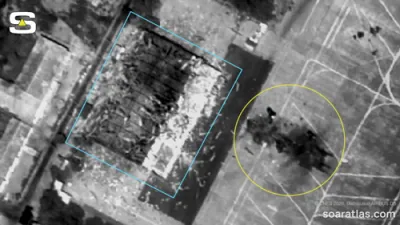
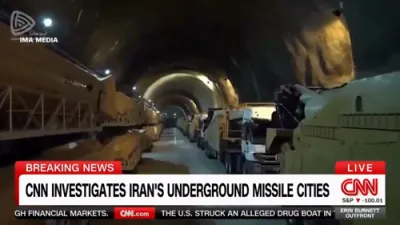
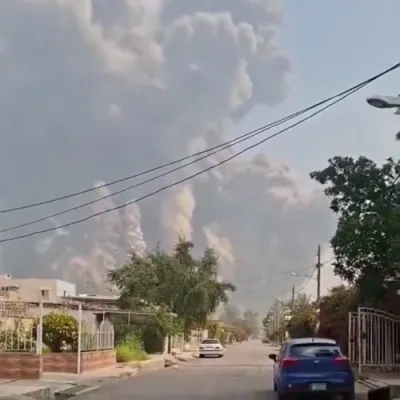
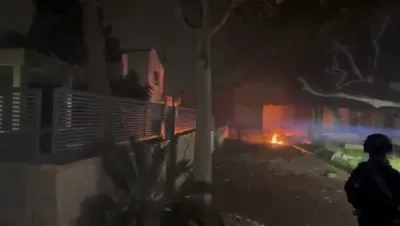
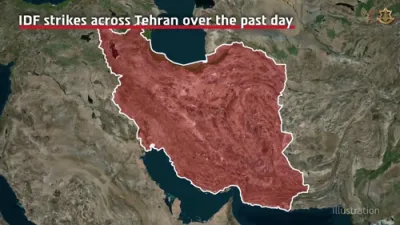
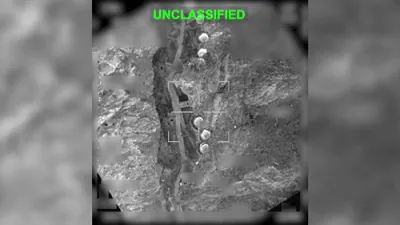
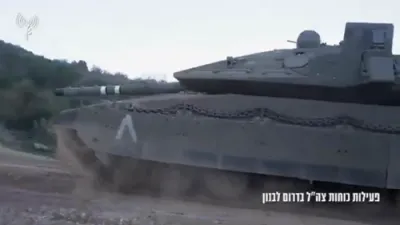
Trump’s position reflects the administration’s broader view that strength, not premature diplomacy, is the only way to force meaningful change from Tehran. Since the conflict escalated in late February, U.S. and Israeli operations have focused on degrading Iran’s military infrastructure, leadership networks, and strategic assets. The White House has framed these actions as necessary to weaken a regime that has long fueled instability, threatened Israel, and empowered terror proxies across the region.
By rejecting a ceasefire, Trump is signaling that Washington intends to maintain momentum until its core objectives are secured. Supporters of the administration see that approach as both realistic and necessary, especially given Iran’s repeated demand that attacks stop before any negotiations can begin. In their view, agreeing to such terms now would reward aggression, preserve Iran’s remaining capabilities, and undermine the gains already achieved by allied forces.
The president’s comments also reinforce his long-standing argument that adversaries respond only when America demonstrates unmistakable resolve. Rather than embracing an immediate pause, Trump is betting that overwhelming pressure will leave Iran with fewer options and a weaker hand at any future negotiating table. For supporters of the administration and of Israel, the message is unmistakable: peace may eventually come through dialogue, but only after strength has reshaped the battlefield in America’s favor.
As the conflict continues, Trump’s refusal to endorse a ceasefire will likely remain a defining point in the administration’s war posture. It presents a sharp contrast between calls for immediate de-escalation and the White House belief that victory must come before compromise. In that sense, Trump is not merely rejecting a ceasefire — he is asserting that decisive force is the fastest path to a more durable outcome.