פרעזידענט טראמפ קריטיקירט נאטא'ס דורכפאל אויפן שטראז פון הארמוז.
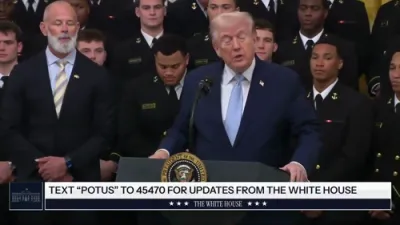
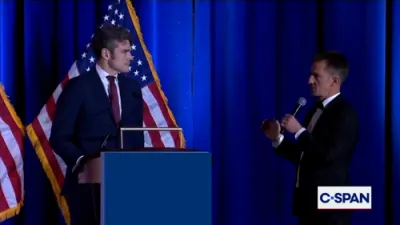
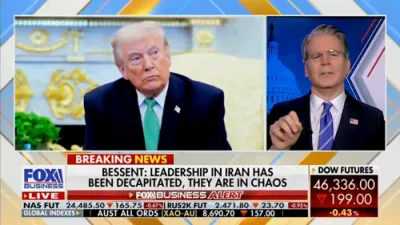
President Donald Trump signaled support for reconsidering the U.S. military footprint in Spain and Germany after expressing deep frustration with NATO’s refusal to help address the crisis in the Strait of Hormuz. Responding to a question about Senator Lindsey Graham’s call to review American bases in both countries, Trump said the request “deserves” consideration and argued that Graham was right to raise it. The president framed NATO’s lack of action as a serious failure at a moment when European nations remain heavily dependent on energy flows moving through the strait.
Trump argued that NATO has declined in both credibility and usefulness because allies have failed to step forward during a major global energy emergency. He pointed out that many NATO countries rely substantially on oil and energy shipments passing through the Strait of Hormuz, yet, in his view, they have done nothing to help secure it. The president also noted that frustration over the alliance’s response extends beyond Graham, saying many senators and House members are angered by what they see as European passivity.
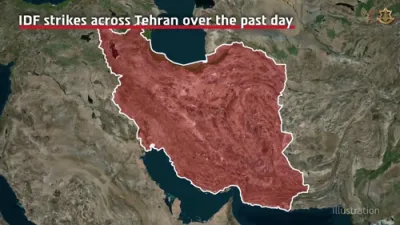
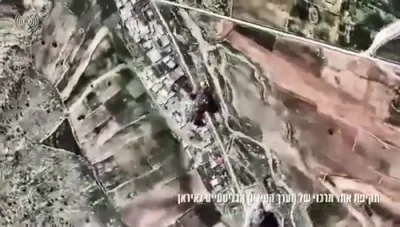
The comments come as the Strait of Hormuz remains at the center of the escalating confrontation tied to the U.S.-Israeli campaign against Iran. The waterway normally carries roughly one-fifth of the world’s oil, making any disruption a direct threat to global markets and Western economies. With allies such as Spain and Germany resisting deeper involvement, Trump is making clear that America’s security commitments cannot be taken for granted while others decline to share the burden.
Spain has already drawn particular scrutiny after publicly ruling out participation in military operations in the Strait of Hormuz and opposing escalation tied to the conflict. Germany and other European governments have also signaled reluctance to join a U.S.-led effort, reinforcing the White House view that NATO’s political will has weakened when tested beyond its immediate borders. For Trump and his supporters, that hesitation raises a broader question about whether America should continue maintaining major bases for allies unwilling to act when strategic interests are on the line.
By endorsing a review of U.S. basing arrangements, Trump is escalating pressure on NATO in a way that goes beyond rhetoric. His remarks suggest that future American commitments may increasingly depend on whether allies match U.S. resolve in moments of crisis. The message is direct: if Europe benefits from American protection and Middle East stability, then Europe must also be willing to bear more of the cost and responsibility.