טראמפ זאגט אז קיינער ווייסט נישט אויב מושטאבא כאמינעי לעבט
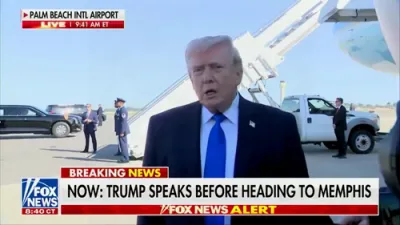
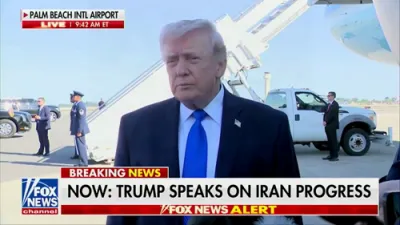
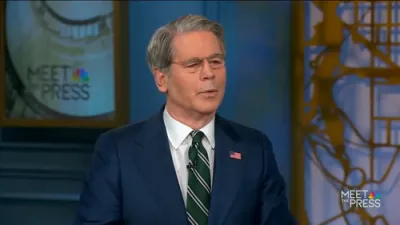
President Donald Trump said Monday that it remains unclear whether Iran’s new supreme leader, Mojtaba Khamenei, is even alive, adding a dramatic new layer of uncertainty to the conflict now engulfing the Iranian regime. Speaking to reporters, Trump said, “We have not heard from the son” and bluntly concluded, “We don’t know if he’s living.” The remark immediately fueled speculation about the condition of the man Tehran elevated to power after the death of his father, Ayatollah Ali Khamenei.
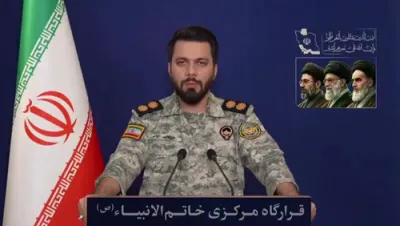
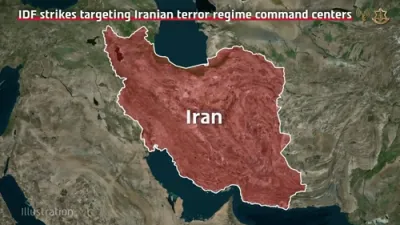
Mojtaba Khamenei was named supreme leader on March 8 after his father was reportedly killed on the opening day of the joint U.S.-Israeli bombing campaign against Iran on February 28. Reports have indicated that Mojtaba may also have been injured in the same strike, though conflicting accounts have made it difficult to determine the seriousness of those wounds. Since assuming the regime’s top position, he has not appeared publicly and has only issued written statements delivered through Iranian state media.
That unusual silence has intensified questions about who is truly in control inside Tehran as the regime faces mounting military pressure. In most circumstances, a newly installed supreme leader would be expected to project authority through visible appearances and direct public messaging, especially during a national crisis. Instead, the lack of any confirmed live address or personal appearance has fed growing doubts about Mojtaba Khamenei’s status and the stability of the regime’s leadership structure.
Trump’s comments are likely to deepen concerns within Iran’s ruling establishment while also reinforcing the perception that the regime has been badly shaken by the ongoing U.S.-Israeli campaign. For Washington and Jerusalem, uncertainty at the top of the Iranian power structure could signal both strategic opportunity and growing chaos within the regime. As questions continue to swirl, Tehran’s refusal or inability to produce its new leader in public is only adding to the sense that the Islamic Republic is under extraordinary strain.