צה"ל אטאקירט חיזבאללה צילן אין לבנון
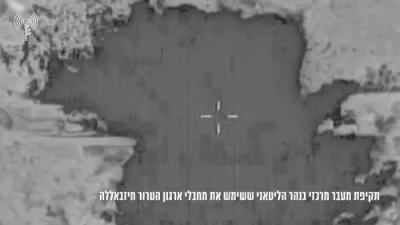
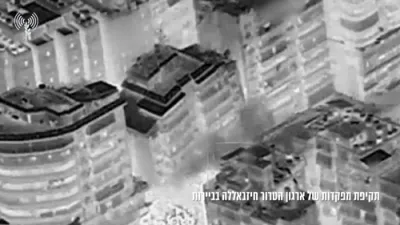
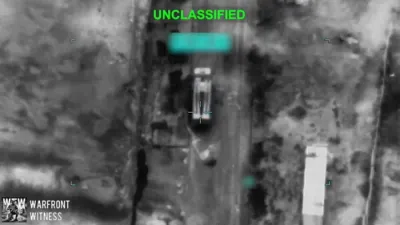
The Israeli Defense Forces (IDF) carried out airstrikes on Hezbollah-controlled fuel stations across Lebanon on March 24, 2026, targeting infrastructure used to fund terrorist operations and supply weapons trucks. Among the targeted sites was Al-Qard Al-Hasan in Beirut, a U.S.-sanctioned entity since 2020. Satellite imagery and video footage show precision strikes on these facilities, with some located near civilian structures, underscoring the operational challenges of targeting dual-use assets.
These attacks aim to dismantle Hezbollah’s economic network and disrupt its financial channels that support weapons transport and militant operations. Israeli sources emphasized that the strikes focused on operational disruption and reported no casualties, though Lebanese officials highlight the risks posed to nearby residents and infrastructure. The campaign reflects Israel’s strategy of targeting not only military but also economic assets to weaken Hezbollah’s overall capabilities.
The strikes come amid ongoing cross-border clashes between Israel and Hezbollah, which have displaced more than 60,000 Lebanese civilians since late 2023. By hitting fuel stations and other logistical nodes, the IDF seeks to constrain Hezbollah’s ability to resupply its forces and sustain long-term operations. Analysts note that the campaign demonstrates the strategic integration of military and economic pressure in modern conflict.
While Israeli authorities maintain the precision of their operations, debates continue regarding proportionality, particularly when military targets are embedded within civilian areas. The strikes illustrate the difficulties of conducting asymmetric warfare against organizations that intentionally integrate operations within urban and commercial infrastructure. Observers continue to monitor the humanitarian and security implications of these targeted actions.