מדינת ישראל'ס דרום-לבנון אנוועזנהייט איז סעקיורעטי, נישט אקופאציע.
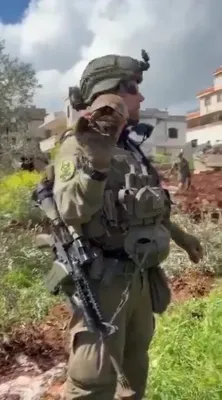
On NewsX World Live, analyst Gedaliah Blum addressed claims that Israel is “occupying” southern Lebanon, emphasizing that the presence is a temporary security buffer rather than a permanent takeover. Israel aims to protect its northern communities from rocket attacks and will not retreat 15–20 kilometers from its own border, which would leave civilians exposed. The approach reflects a defensive strategy, ensuring stability while Hezbollah continues to amass weapons.
Blum noted that the problem is not solely Israel’s but Lebanon’s as well. Hezbollah, acting as an Iranian proxy, destabilizes both sides of the border, creating a shared interest in its removal. Israel’s operations aim to neutralize these threats, which jeopardize civilians and violate UN Resolution 1701 (2006) that remains largely unenforced.
The interview reframed the narrative, arguing that removing Hezbollah would eliminate the justification for Israel’s buffer presence. With over 150,000 missiles reportedly held by Hezbollah, the security zone functions as a necessary precaution. In this sense, the real “occupation” is Iranian-backed Hezbollah activity in southern Lebanon, not Israel’s temporary deployment.
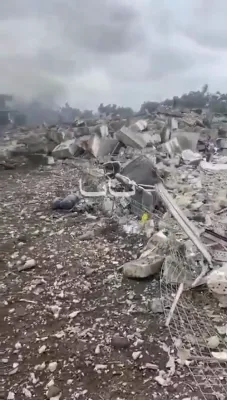
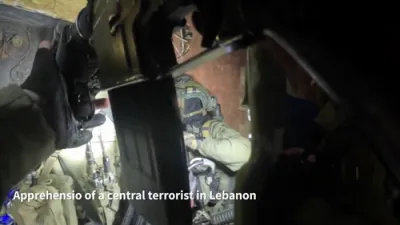
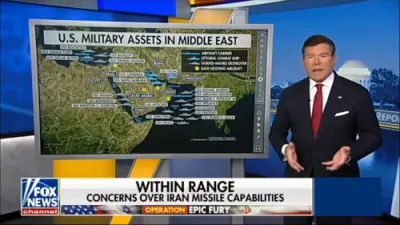
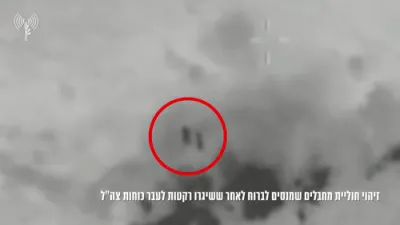
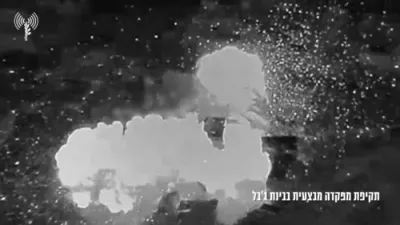
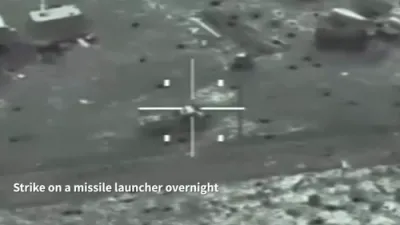
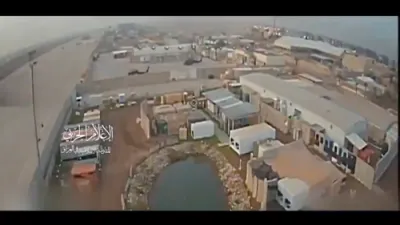
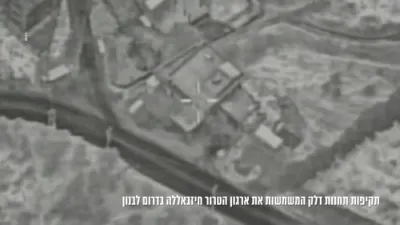
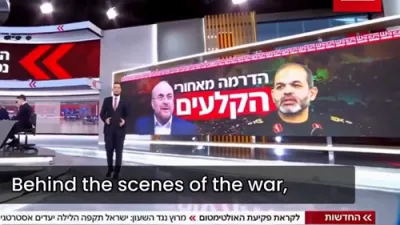
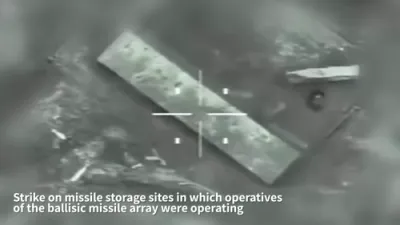
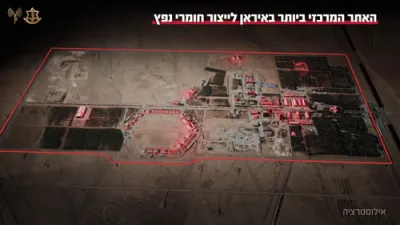
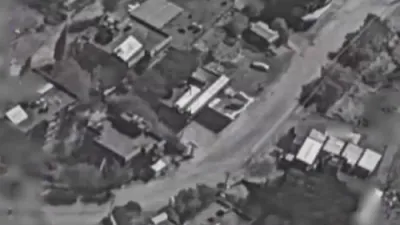
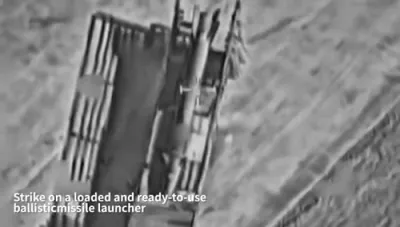
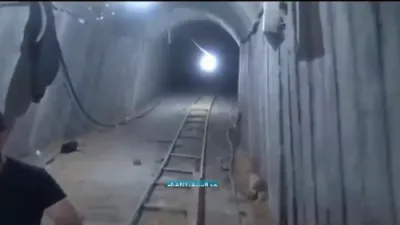
Video footage from the interview illustrates Blum’s points, showing the strategic rationale behind targeted Israeli strikes and ground operations. Observers highlight that the focus remains on minimizing civilian harm while degrading Hezbollah’s operational capabilities. The analysis stresses that Israel and many Lebanese citizens share the same security objectives.
Overall, the discussion underscores the distinction between defensive buffer zones and permanent occupation. Israel’s operations in southern Lebanon are designed to safeguard its population and regional stability, while the ongoing presence of Hezbollah continues to pose a threat that spans both sides of the border.