איראן פארברייטערט טונעל נעטווארקס פאר ראקעטן און דראונס.
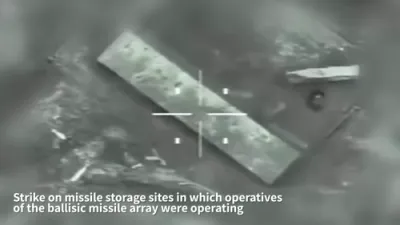
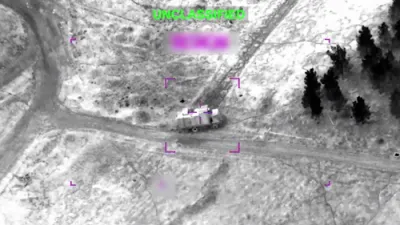
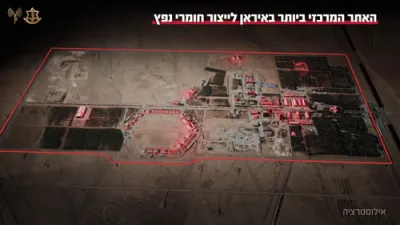
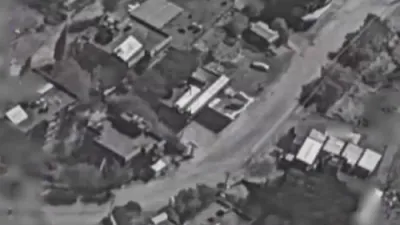
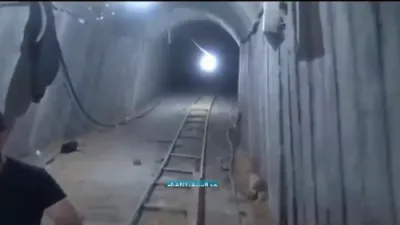
Footage circulating online highlights Iran’s extensive underground tunnel networks, often referred to as “Missile Cities,” designed to store and deploy ballistic missiles, drones, and other military assets. These fortified facilities, developed by the Islamic Revolutionary Guard Corps (IRGC), feature reinforced concrete structures, blast doors, and complex layouts intended to withstand aerial bombardment. The video shows uniformed personnel navigating these tunnels, underscoring the operational readiness of Iran’s strategic arsenal.
The emergence of such infrastructure has fueled renewed debate over Iran’s military funding and long-term strategic planning. Critics argue that financial resources provided to Tehran over the years, including controversial past payments and sanctions relief, have contributed to the development of these hardened facilities. Supporters of a tougher stance on Iran point to these tunnel systems as evidence of sustained investment in military expansion rather than domestic priorities.
Iranian state media has periodically unveiled segments of these underground complexes since 2016, showcasing advanced missile storage and rapid deployment capabilities. Analysts note that these facilities are specifically engineered to protect high-value assets from preemptive strikes, allowing Iran to maintain a credible deterrent. The tunnels also enable concealed movement of weapons, complicating intelligence and surveillance efforts by adversaries.
The video further demonstrates the scale and sophistication of Iran’s underground military infrastructure, with wide corridors, transport systems, and clearly marked operational zones. Such features suggest not only storage capabilities but also active preparation for rapid mobilization during conflict scenarios. This aligns with Iran’s broader doctrine of asymmetric warfare, relying on survivability and strategic depth to counter technologically superior forces.
Overall, the footage reinforces concerns about Iran’s expanding missile and drone capabilities and the infrastructure supporting them. As regional tensions persist, these underground networks remain a central component of Iran’s defense strategy, shaping both deterrence calculations and the broader security landscape in the Middle East.