טאם האמאן באשולדיגט די קאנגרעס פארן נישט פאנדן די האמלענד סעקיוריטי דעפארטמענט
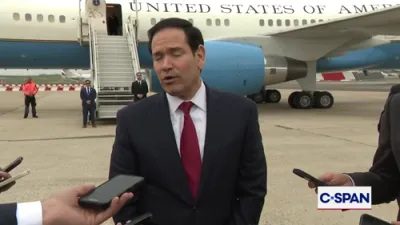
A renewed clash over immigration policy and federal funding has emerged as Tom Homan, President Trump’s incoming border czar, sharply criticized Congress for withholding full funding from the Department of Homeland Security. In a recent statement, Homan argued that lawmakers are effectively “holding the department hostage” due to disagreements over Immigration and Customs Enforcement operations. He emphasized that ICE is simply enforcing laws that were enacted by previous administrations, framing the funding dispute as politically motivated rather than policy-driven. The remarks highlight growing tensions as immigration enforcement once again takes center stage in Washington.
The controversy comes amid a broader March 2026 budget standoff, where the Senate approved funding for several DHS components, including the Transportation Security Administration, while notably excluding ICE and Customs and Border Protection. This selective funding approach prompted immediate backlash from House Republicans, who rejected the proposal outright. President Trump has also weighed in, signaling a willingness to intervene, including suggesting measures to ensure essential personnel like airport workers remain paid despite the impasse. The situation reflects a high-stakes negotiation with operational consequences for national security agencies.
Homan’s comments underscore a fundamental divide over how immigration laws should be implemented. He maintains that ICE’s actions are consistent with statutes already in place, arguing that enforcement agencies should not be penalized for carrying out their legal mandates. From this perspective, restricting funding becomes a way to indirectly alter policy without formally changing the law. Supporters of the administration view this as an erosion of executive authority and a dangerous precedent for law enforcement consistency.
On the other side, Democrats are using the funding process to push for reforms within immigration enforcement agencies. Proposals tied to the funding debate include requirements such as body camera usage, limits related to sanctuary jurisdictions, and increased oversight mechanisms. These measures are framed as accountability efforts, but critics argue they are attempts to constrain enforcement effectiveness. The resulting standoff illustrates how budget negotiations have become a primary battleground for shaping immigration policy.
This unfolding dispute highlights the broader partisan divide that continues to define the national conversation on border security. With both sides entrenched, the outcome of the DHS funding battle could have lasting implications for how immigration laws are enforced in the years ahead. As negotiations continue, the intersection of policy, funding, and political strategy remains at the forefront, signaling that the debate over border enforcement is far from resolved.