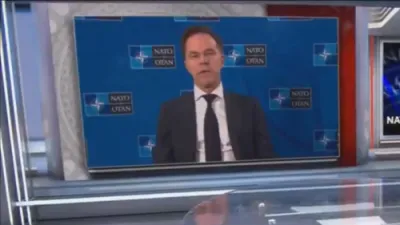
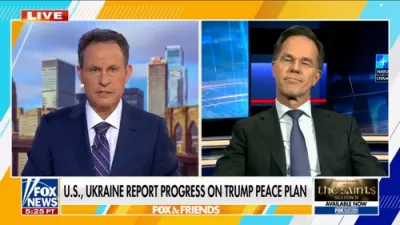
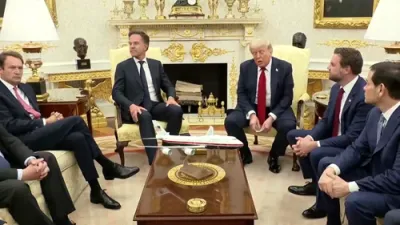
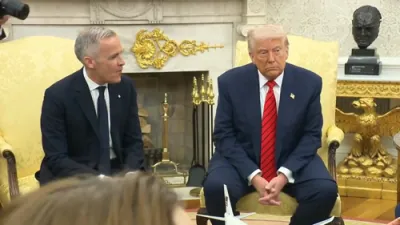
נאטא טשיף רוטה רופט טראמפ'ס זיצונג מיט אים "צווישן פריינט".
Rutte acknowledged that Trump has expressed frustration with European NATO members for not fully meeting their defense obligations. This concern has been a consistent theme in Trump’s approach to the alliance, especially following recent U.S.-led military actions involving Iran. The NATO chief’s comments suggest an awareness of these concerns while attempting to balance them with the need for continued cooperation. His approach reflects a pragmatic strategy aimed at preserving unity within the alliance.
The discussion also referenced prior cooperation during the Hague summit, where NATO members sought to align their strategic priorities. Rutte’s remarks indicate that while disagreements persist, there remains a foundation for collaboration on key security issues. By publicly recognizing Trump’s leadership, Rutte appears to be reinforcing the importance of U.S. involvement in NATO’s overall structure. This is particularly significant given ongoing debates about the future of American participation in the alliance.
From a broader perspective, the exchange highlights the evolving dynamics within NATO as it adapts to shifting geopolitical realities. Leaders on both sides of the Atlantic are navigating complex challenges, including burden-sharing, regional conflicts, and emerging security threats. Rutte’s diplomatic tone underscores the necessity of maintaining constructive dialogue even amid policy differences. It also reflects an understanding that personal relationships between leaders can influence broader strategic outcomes.
Ultimately, the meeting and subsequent remarks illustrate the balance between candid disagreement and strategic alignment within NATO. While Trump continues to pressure allies on defense commitments, Rutte’s response demonstrates an effort to keep the alliance cohesive. The interaction serves as a reminder that diplomacy often involves managing tensions while reinforcing shared objectives. As global security challenges persist, such engagements will remain critical to sustaining transatlantic cooperation.