אמעריקאנע איראן פארהאנדלונגען שטייען פאר שפאנונגען איבער גאליבאף סטעיטמענטס.
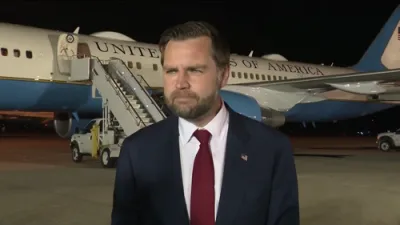
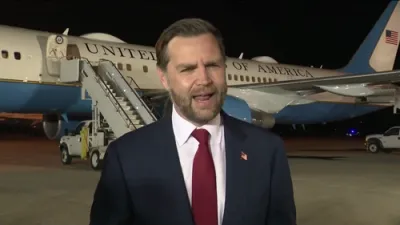
U.S. negotiator JD Vance questioned the clarity of remarks made by Iranian Parliament Speaker Mohammad Bagher Ghalibaf regarding alleged U.S. violations of ceasefire terms. Speaking from Hungary, Vance stated, “Frankly, what he said did not make sense in the context of the negotiations we had,” emphasizing that many other points show broad agreement between the parties. The comments come as officials prepare for high-level talks in Islamabad, Pakistan, where Vance will lead the American delegation in discussions with Ghalibaf’s Iranian team.
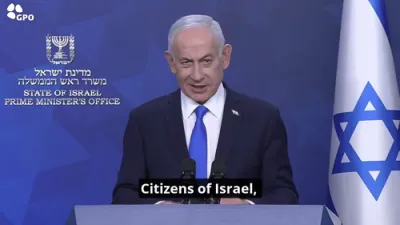
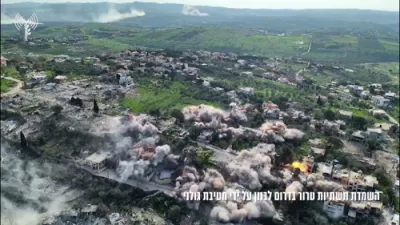
The exchange highlights persistent friction despite a recent two-week ceasefire announcement by Donald Trump involving Israel and regional actors. Iran has raised concerns related to ongoing fighting in Lebanon, nuclear enrichment rights, and other regional issues. The U.S., meanwhile, continues to push for de-escalation, emphasizing that attacks by any side must cease. Vance’s remarks underscore the challenges of interpreting and reconciling statements from both sides as formal negotiations approach.
Analysts note that language and communication clarity remain crucial in delicate diplomatic talks, particularly when discussions involve multiple contentious points. Vance’s critique of Ghalibaf’s English may also signal a broader effort to clarify positions publicly while maintaining leverage in upcoming negotiations. Such exchanges set the stage for rigorous debate in Islamabad, where both sides will attempt to solidify understandings while preserving national interests.
The upcoming talks are expected to address both immediate de-escalation measures and longer-term frameworks for managing regional tensions. Vance’s approach, blending direct criticism with an emphasis on areas of agreement, may help focus discussions on actionable outcomes. The situation illustrates how negotiation dynamics extend beyond policy to include perception, communication, and signaling, particularly when involving adversarial states with ongoing military and diplomatic concerns.
Overall, the remarks from Vance emphasize the delicate balance in U.S.-Iran relations. While both sides aim to maintain dialogue, language barriers, misinterpretation, and public statements play a significant role in shaping the negotiating environment. The Islamabad talks will likely be a key test of whether recent ceasefire measures can be reinforced through constructive engagement and mutual understanding.