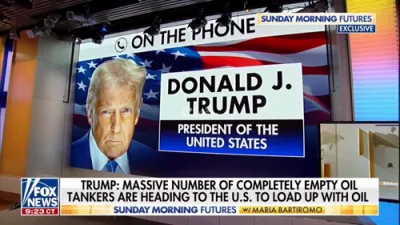
121 ליידיגע אויל טאנקערס זענען יעצט אויפ'ן וועג צוריק קיין אמעריקע צוליב די שוועריגקייטן ביים הארמוז דורכגאס.
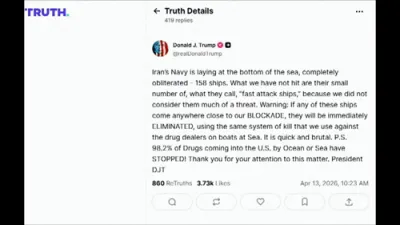
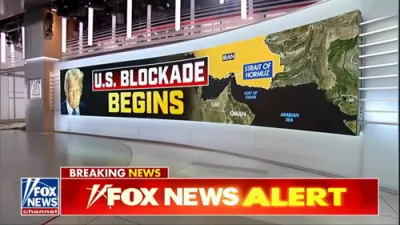
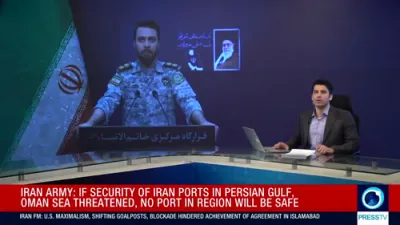
The disruption centers around the Strait of Hormuz, a critical chokepoint through which roughly 20 percent of the world’s oil supply typically flows. Recent conflict tied to Iranian-linked shipping and heightened naval enforcement measures has significantly impacted traffic through the region. As a result, shipping companies appear to be adjusting routes and sourcing strategies to mitigate risk. The movement of tankers toward the U.S. Gulf Coast underscores a broader realignment in global energy distribution patterns.
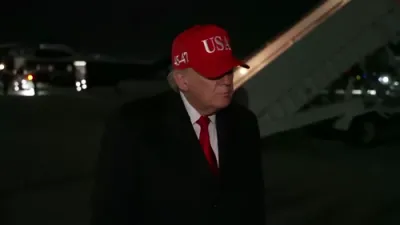
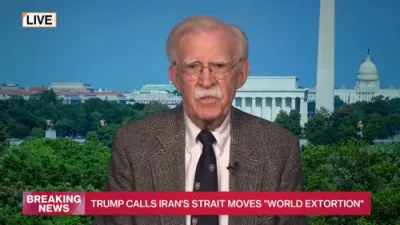
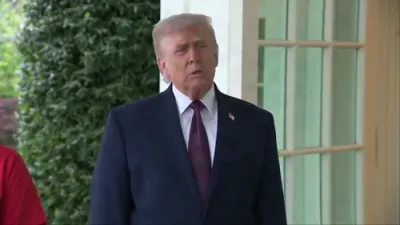
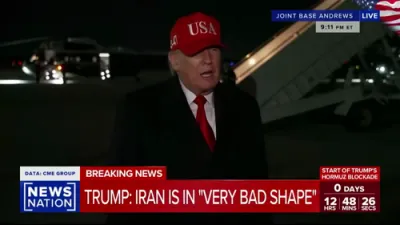
In response to these developments, President Donald Trump has called on affected nations to turn to American energy as a stable and reliable alternative. His remarks emphasize the United States’ capacity to supply both crude oil and refined products at scale, particularly during periods of international disruption. The administration has framed this moment as an opportunity to strengthen U.S. energy leadership on the global stage. Supporters argue that increased exports could reinforce economic growth while supporting allied nations facing shortages.
The surge in tanker traffic also reflects confidence in U.S. infrastructure, including ports, storage facilities, and refining capabilities. Energy markets are closely monitoring how quickly these vessels can be loaded and redeployed to meet global demand. This influx may place additional pressure on domestic logistics but also presents a significant commercial opportunity. Industry experts note that the scale of this movement is unusual and indicative of broader geopolitical shifts.
Overall, the situation highlights how geopolitical tensions can rapidly reshape global trade flows, particularly in the energy sector. The United States is emerging as a key beneficiary of the disruption, with its role as a top energy exporter becoming increasingly central. As the situation in the Strait of Hormuz evolves, further adjustments in shipping and supply chains are likely. The coming weeks will be critical in determining whether this trend represents a temporary shift or a longer-term transformation in global energy dynamics.