צה"ל האט דורכגעפירט א רייע פרישע אטאקעס קעגן חיזבאללה פאזיציעס
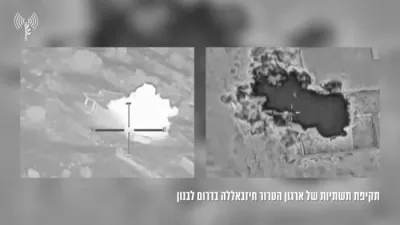
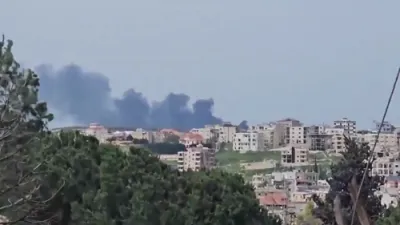
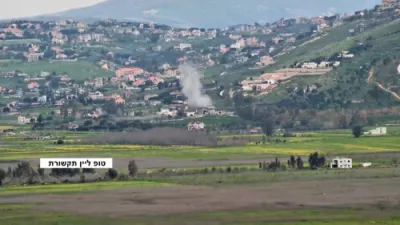
The Israel Defense Forces announced that the Israeli Air Force carried out more than 200 strikes against Hezbollah targets in southern Lebanon within a single day. According to the IDF, the operation targeted a wide range of military assets, including operatives, infrastructure, and approximately 20 rocket launchers. The scale of the strikes reflects an intensified effort to degrade Hezbollah’s operational capabilities near the Israeli border. Military officials emphasized that the focus remains on immediate threats posed by launch sites and active militant positions.
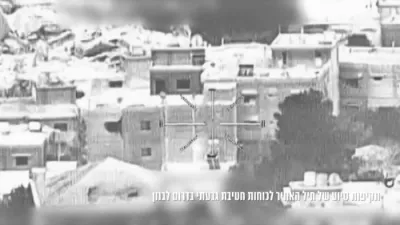
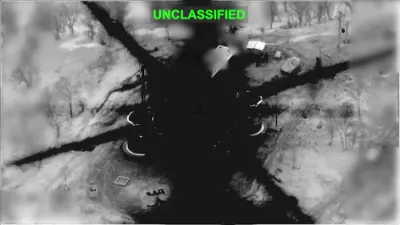
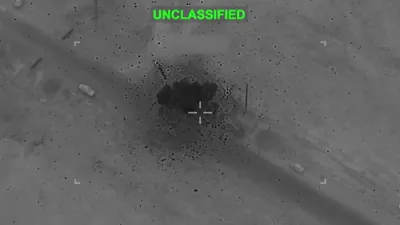
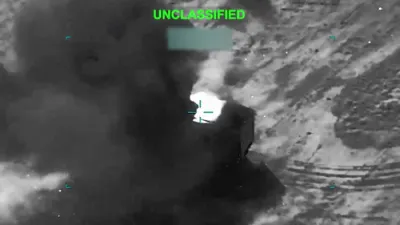
Footage released alongside the announcement shows thermal imaging views of precision targeting, with reticles locking onto structures identified as Hezbollah sites. The strikes generate visible explosions and smoke plumes, consistent with coordinated aerial operations designed to neutralize specific targets. This type of imaging highlights the IDF’s reliance on advanced surveillance and targeting systems to carry out high-accuracy engagements. The visuals are intended to demonstrate both operational effectiveness and controlled use of force.
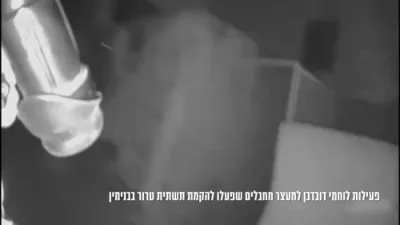
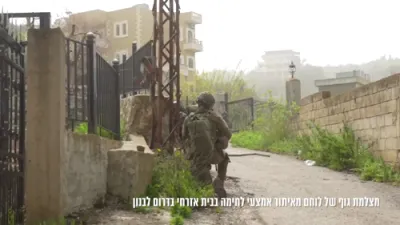
Notably, the IDF confirmed that no strikes have been conducted in Beirut or deeper Lebanese territory over the past week. This suggests a deliberate containment strategy aimed at limiting escalation while maintaining pressure on Hezbollah forces in the south. By concentrating operations in southern regions such as areas near Bint Jbeil, Israel appears to be balancing military objectives with broader geopolitical considerations. The absence of strikes in more sensitive regions signals an effort to avoid widening the conflict.
The surge in airstrikes aligns with ongoing ground operations and parallel diplomatic efforts, particularly discussions taking place in Washington. Analysts view this dual-track approach as part of a broader strategy to weaken Hezbollah militarily while keeping avenues open for de-escalation. The intensity of the operations underscores the continued volatility of the 2026 conflict and the challenges of managing both tactical and strategic priorities. As the situation develops, the focus remains on whether such concentrated strikes will significantly alter Hezbollah’s capabilities on the ground.