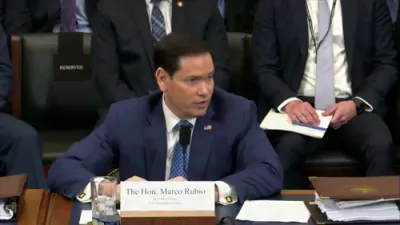
מארקא רוביא האלט אז מען דארף אפשאצן די אמעריקאנער הילף לויט די רעזולטאטן וואס עס ברענגט, און נישט בלויז לויט די סומע געלט וואס מען געבט אויס
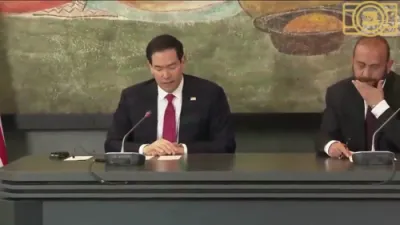
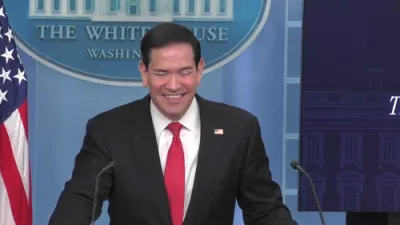
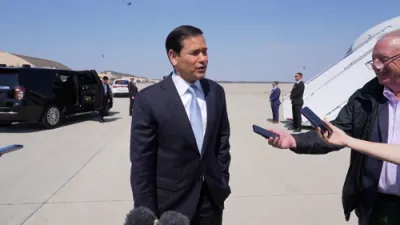
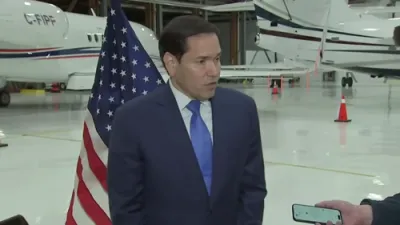
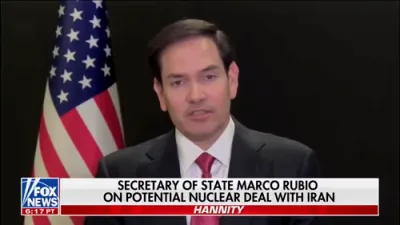
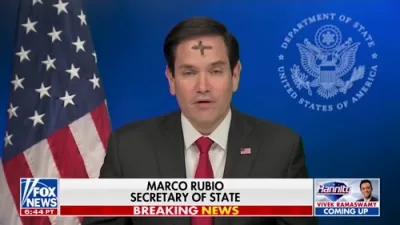
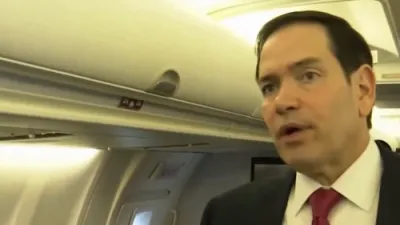
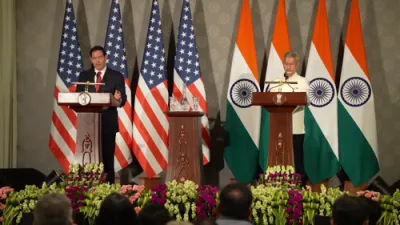
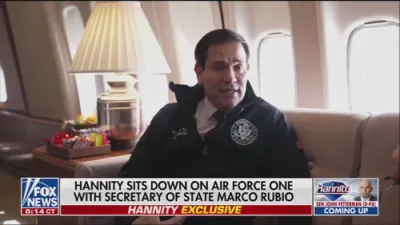
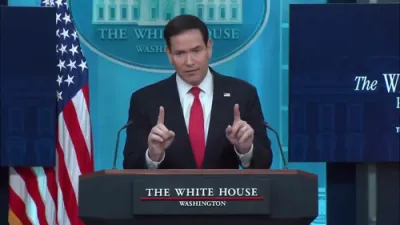
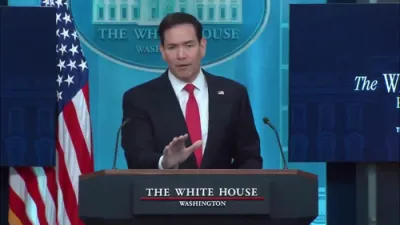
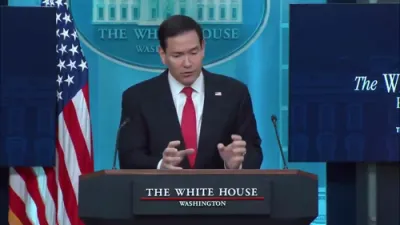
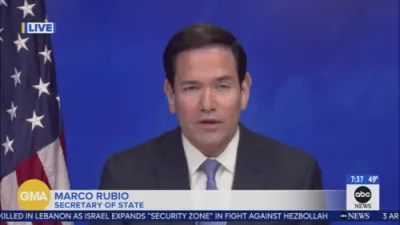
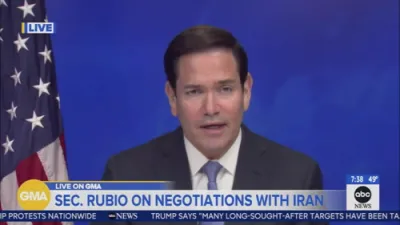
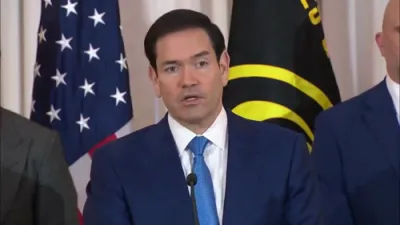
Secretary of State Marco Rubio emphasized a major shift in how the United States evaluates foreign assistance, arguing that aid programs should be judged by their real-world outcomes rather than how much money is spent. Speaking during a congressional hearing, Rubio said the goal is to ensure taxpayer-funded assistance delivers measurable results and long-term impact.
Rubio outlined a model focused on “health compacts” and structured partnerships with recipient countries designed to build local capacity, reduce dependency on continued external assistance, and improve rapid response capabilities during crises such as hurricanes and Ebola outbreaks. He argued that strengthening domestic systems abroad ultimately makes U.S. aid more efficient and sustainable over time.
The approach reflects a broader push within the Trump administration to reform foreign aid programs by prioritizing effectiveness, accountability, and strategic impact. Supporters say the shift ensures better use of taxpayer dollars and strengthens global resilience, while critics caution that restructuring aid metrics could reshape longstanding humanitarian frameworks and delivery models.