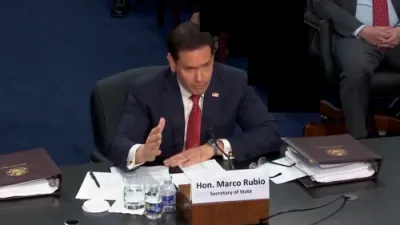
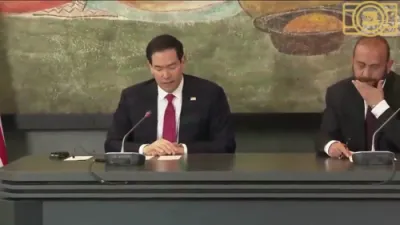
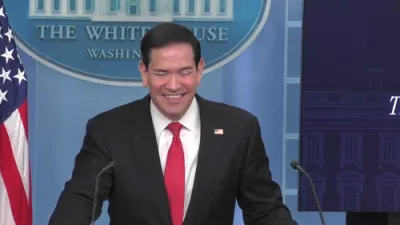
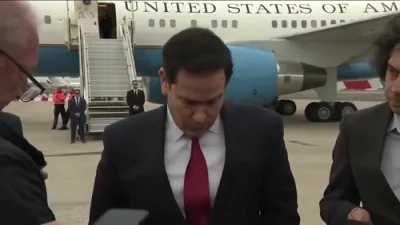
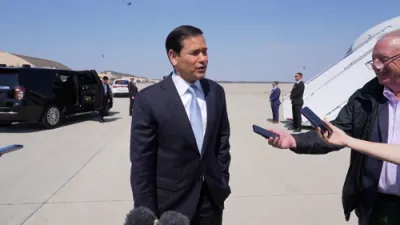
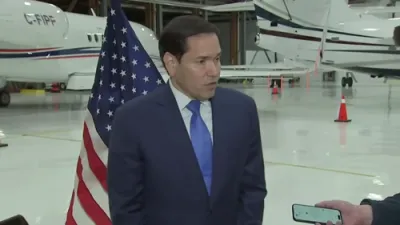
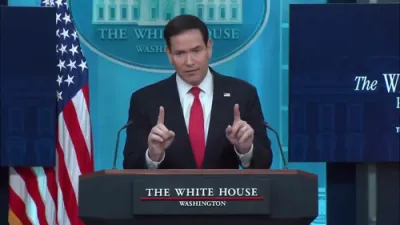
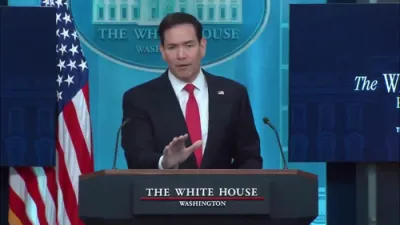
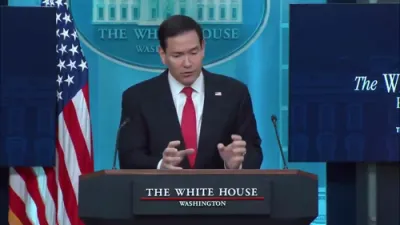
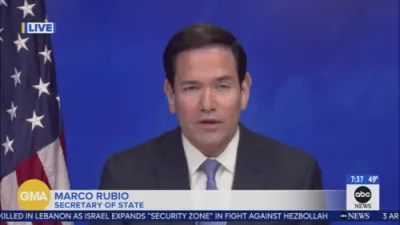
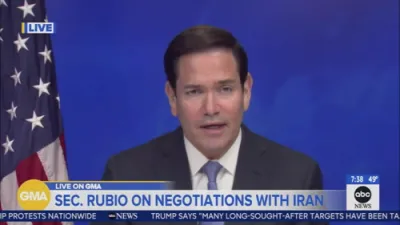
סעקרעטערי רוביא שטעלט זיך פעסט פאר אמעריקע'ס פירערשאפט איבער די גאנצע וועלט
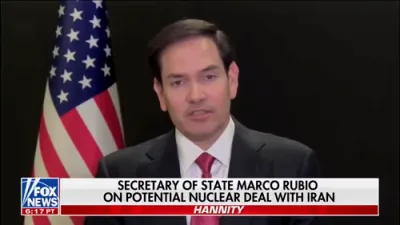
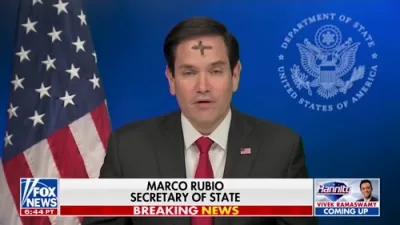
Secretary of State Marco Rubio argued that Western European nations have, for decades, benefited from the U.S.-backed security architecture, allowing them to allocate significant national resources toward domestic social programs rather than defense spending. His remarks framed the longstanding American security role as a central pillar of post–Cold War stability in Europe.
Rubio emphasized that the United States has historically carried a disproportionate share of collective defense responsibilities, particularly through NATO structures, enabling allied nations to prioritize internal economic and social development. His comments come amid ongoing debates in Washington over burden-sharing, military readiness, and the strategic distribution of defense commitments among allies.
The broader discussion has also been linked by commentators to contrasting security models across U.S. partnerships, including close non-NATO relationships such as with Israel, which operates in a uniquely high-threat regional environment and maintains continuous military readiness. Supporters of strong U.S.-Israel cooperation argue this demonstrates a different model of alliance burden-sharing based on direct operational coordination rather than collective defense treaties.