BURIED IN MUD: Nepal's Search for Trapped Workers Turns Grim as Drone Comes Up Empty

Gallery
Videos
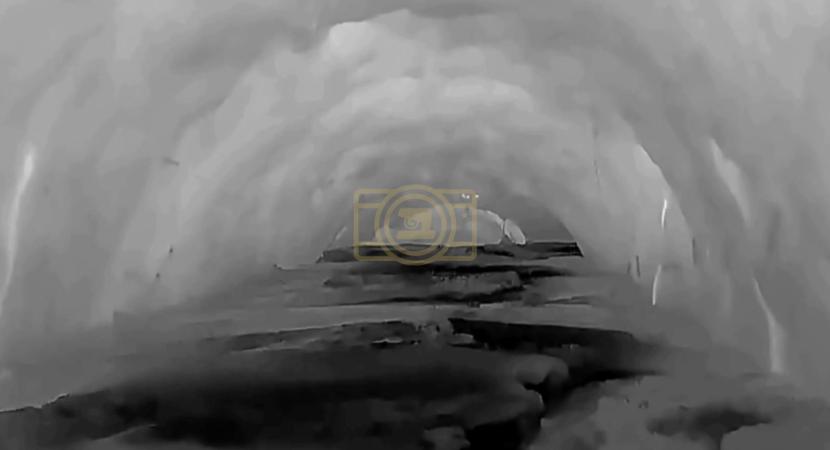
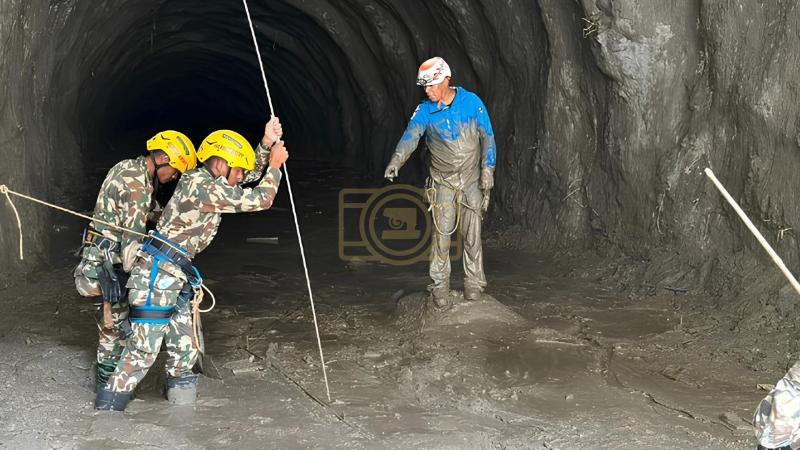
Rescuers in Nepal's Rasuwa district turned to a thermal drone this week in a desperate search for three workers still trapped inside a flooded hydropower tunnel, but the results offered little hope. The drone was flown deep into the tunnel, scanning for any heat signature that might indicate a survivor, yet it detected no signs of life anywhere along its path. Rescue teams reported that thick mud and sediment now fill somewhere between 80 and 90 percent of the tunnel's height, leaving almost no open space where a person could have found shelter or air. The footage of the operation captures just how dire conditions inside these tunnels have become nearly a week after disaster first struck the region.
The catastrophe traces back to August 26, 2026, when a glacier collapse near the Nepal-Tibet border unleashed a massive flash flood and mudslide that tore through the Himalayan foothills. The disaster has since killed more than 1,050 people, with thousands more still listed as missing across Nepal and neighboring areas. Multiple hydropower projects along the Trishuli and Bhote Koshi rivers were directly in the path of the flood, and several tunnels where workers were on shift when the water hit remain buried under mud, rock, and debris. The scale of destruction has made this one of the deadliest glacier-related disasters in the region's recent history.
In response, Nepal has not been working alone. Joint rescue teams made up of Nepali, Chinese, and Indian personnel have been coordinating efforts across the disaster zone, bringing in heavy machinery and specialized search equipment to try to reach anyone who might still be alive. So far, these combined teams have managed to pull nearly 300 workers to safety from similar tunnel sites, a testament to the scale and intensity of the rescue operation underway. Even with that progress, thick debris and partially collapsed tunnel structures continue to block access to many remaining sites, slowing down efforts precisely when time matters most for those who may still be trapped.
For the families of the three workers still unaccounted for at this particular tunnel, the thermal drone's findings represent a painful setback rather than closure. Rescue officials have not ruled out further search efforts, but the combination of near-total mud saturation and the days that have already passed since the flood significantly narrows the odds of finding survivors. The broader rescue operation across Nepal's hydropower region continues, with drone technology increasingly serving as the first line of investigation into tunnels too dangerous or too deeply buried for rescue teams to enter directly. As the search presses on, officials are bracing communities for the possibility that more outcomes like this one may follow in the days ahead.