AI TRASH HUNT: Robot AI Targets Waste That Machine Misses.
Gallery
Videos
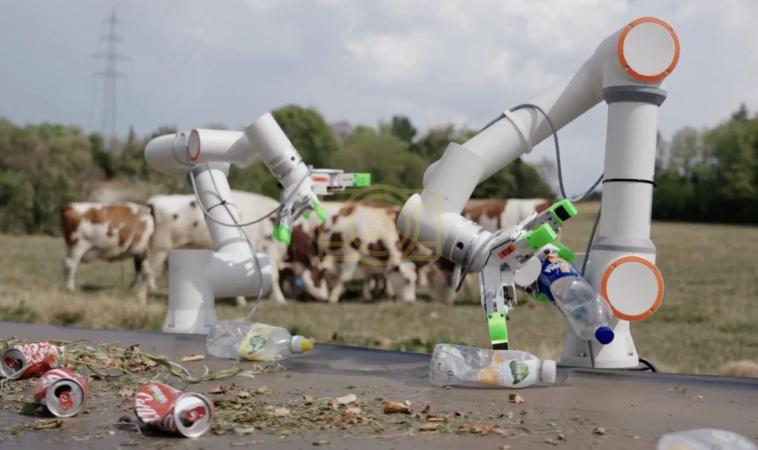
A new robotics company is taking aim at one of the hardest problems in modern waste processing: the objects existing sorting machines simply cannot grab. Grip is developing intelligent robotic systems designed to identify and manipulate deformable, tangled and previously unseen items moving through waste streams, using advances in foundation models and robotic manipulation. The company says its technology could shift more of the most difficult sorting work away from human workers and into automated systems.
Grip is initially focusing on plastic contamination in organic waste, where conventional sorting equipment can struggle with objects that are flexible, entangled or difficult to distinguish and physically manipulate. Its approach combines modular robotic cells with AI systems capable of learning from each pick, allowing experience gathered by one machine to potentially improve the performance of the broader fleet. That creates a potentially powerful feedback loop in which every successful grab produces more data for the system to learn from.
The company argues that recent advances in AI have finally made robotic manipulation practical for a much wider range of real-world objects, while falling hardware costs could make deployment economically viable. Rather than building a single machine for one precisely defined object, Grip is pursuing a more general-purpose manipulation platform capable of handling the unpredictable materials found inside real waste streams. If that approach works at industrial scale, it could address one of recycling's biggest remaining bottlenecks: the difficult items that automated systems leave behind for people to remove.
Grip was founded by robotics engineers from ETH Zürich and is backed by Y Combinator, giving the young company both technical pedigree and early startup support. Its longer-term ambition extends well beyond organic waste, with the company targeting other waste streams where machines still struggle to perform the physical manipulation required for reliable sorting. The bigger question now is whether Grip can turn promising foundation-model robotics into durable, high-throughput systems capable of operating around the clock in the harsh economics of global waste infrastructure.