STRAIT SURGE: President Iran Braces for Trump's Next Sanctions Blow.
Gallery
Videos
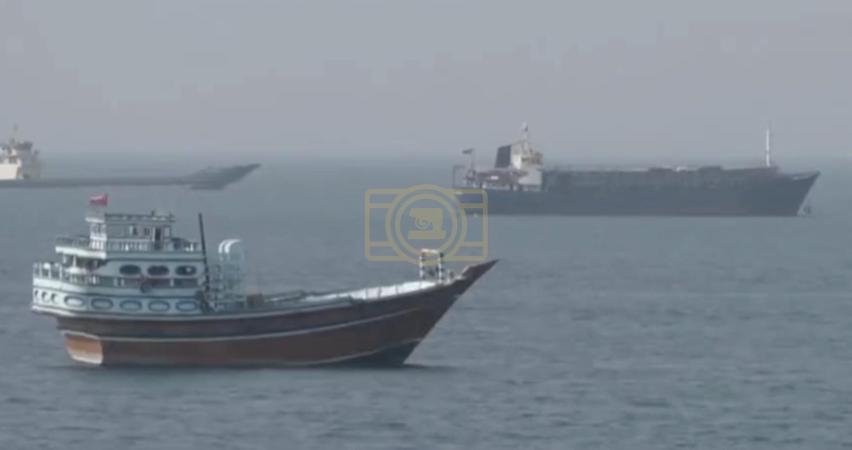
Traffic through the Strait of Hormuz has surged dramatically over the past two weeks, with maritime tracking data showing a sharp increase in vessel crossings along one of the world's most strategically important waterways. Reports citing British maritime monitoring indicate that weekly crossings climbed from roughly 40 vessels to around 200, representing an increase approaching 400 percent. The latest figures have fueled debate over whether renewed U.S. pressure on Iran is reshaping commercial shipping patterns across the Gulf region.
Supporters of the Trump administration argue that the increase demonstrates growing confidence among international shipping companies operating through the area despite long-standing Iranian threats regarding the waterway. The Strait of Hormuz remains a critical artery for global energy markets, carrying a significant share of the world's seaborne oil exports. Recent daily transit volumes have reportedly reached millions of barrels, highlighting the continued importance of maintaining secure navigation through the region.
The development comes as Treasury Secretary Scott Bessent is expected to unveil additional details of a major sanctions initiative targeting Iran. Administration officials have signaled that the measures could represent one of the most aggressive economic pressure campaigns imposed on Tehran in recent years. Washington maintains that the objective is to weaken Iran's ability to finance activities viewed as destabilizing while increasing pressure on the country's leadership to alter its policies.
Iranian officials have strongly criticized the renewed sanctions effort, arguing that economic pressure campaigns have failed to force major concessions in the past. Senior political figures in Tehran have accused the United States of relying on coercive tactics rather than diplomacy and warned that additional sanctions could further increase tensions between the two countries. The exchange of sharp rhetoric underscores the deep divisions that continue to define U.S.-Iran relations.
As attention turns to the upcoming sanctions announcement, analysts are closely watching both energy markets and maritime traffic patterns for signs of broader economic consequences. The surge in Strait of Hormuz activity has become a focal point in the wider confrontation between Washington and Tehran, with both sides presenting competing narratives about its significance. Whether the increase reflects lasting strategic changes or a temporary market response may become clearer in the weeks ahead as the next phase of the economic pressure campaign unfolds.