PROTECTING THE OIL: UAE Builds “Cope Cages" Over Fuel Tanks to Stop Iranian Drones.
Gallery
Videos
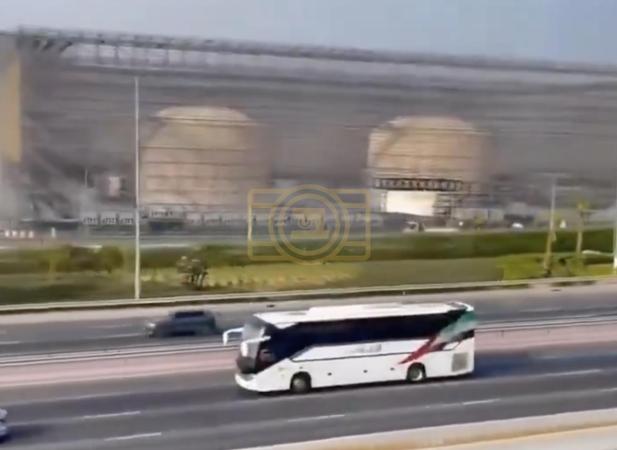
UAE Fortifies Fuel Tanks with Massive Metal Cages Against Iranian Drone Attacks
The United Arab Emirates has completed the installation of large metal “cope cages” around critical fuel storage tanks as a direct response to the ongoing threat of Iranian kamikaze drones. These extensive steel grid frameworks are designed to intercept or force the premature detonation of low-cost explosive drones before they can strike the dome-shaped tanks. Video footage filmed from a moving vehicle shows the completed structures enclosing multiple tanks near highways, with a UAE-marked bus visible in the area. Construction began around May 2026 following earlier Iranian drone attacks on UAE energy sites, including a strike that damaged a fuel tank at Dubai International Airport.
The cages represent a practical, passive layer of defense that supplements more advanced air defense systems. Similar to structures used by Russia to protect oil facilities from Ukrainian drones, the metal grids create a physical barrier that can disrupt the flight path or trigger the warhead of incoming one-way attack drones at a safer distance from the tanks themselves. While the barriers are not effective against ballistic or cruise missiles, they address the specific vulnerability posed by the swarm of relatively inexpensive Iranian-style drones that have repeatedly targeted Gulf energy infrastructure. Multiple sources confirm the work progressed over roughly four months and is now largely finished.
This hardening of critical infrastructure underscores the real and persistent threat Iran continues to pose to U.S. partners in the region. By investing in these visible defensive measures, the UAE is taking concrete steps to protect its energy assets and maintain the flow of oil that supports global markets. The move aligns with a broader recognition that Iranian aggression through drones and proxies must be met with both advanced technology and practical, low-tech resilience. Strong alliances and decisive protective actions remain essential as Tehran seeks to pressure its neighbors and disrupt regional stability.