NATURE'S SURPRISE: Chile's Barren Desert Erupts into Colorful Wildflowers
Gallery
Videos
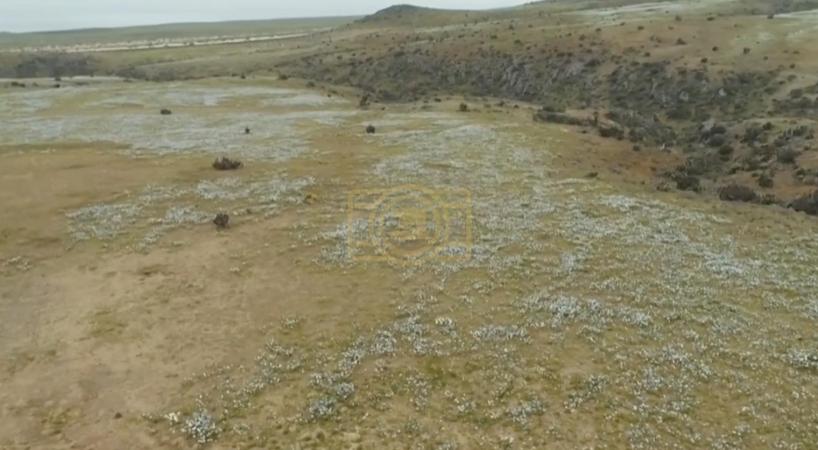
In a scene that seems almost impossible, Chile's Atacama Desert, long recognized as one of the driest places on Earth, has erupted into a sprawling carpet of color following unusually heavy rainfall in August. What is normally a landscape of cracked earth, rust-colored stone, and endless silence has transformed almost overnight into a vibrant field of wildflowers stretching across the region. Locals call this rare spectacle "desierto florido," or the flowering desert, and this year's event is being described as one of the most significant in recent memory. Regional authorities have projected that the bloom could stretch across an area as large as 15,000 square kilometers, reaching from Pampa Caracoles in the north down to the coast of Freirina in the south.
The science behind this transformation is as remarkable as the sight itself. Beneath the Atacama's sand and rock lie trillions of dormant seeds, some of which have waited years, even decades, for the right conditions to finally sprout. When enough rain falls, as it did this August, those seeds activate almost in unison, sending up shoots that quickly bloom into flowers of yellow, purple, pink, white, and red. Over 200 different plant species can emerge during one of these events, and many of them exist nowhere else on the planet, making this far more than just a pretty view. It is a genuine ecological event, unfolding in one of the harshest environments imaginable.
This kind of bloom typically only happens once every five to eight years, though experts note that shifting climate patterns are making the timing harder to predict than ever before. The last major event of this scale came in 2015, and while smaller blooms have appeared more frequently since then, this year's rainfall levels have raised expectations for something historic. Chile's regional government has been coordinating closely with local municipalities and conservation groups to monitor the bloom, assess road access, and prepare designated viewing areas for the public. Officials have also emphasized responsible tourism, hoping to protect the fragile ecosystem from the crowds it is expected to draw in the coming weeks.
Beyond its beauty, the flowering desert phenomenon offers scientists a rare window into how extreme ecosystems endure against nearly impossible odds. The sudden burst of plant life triggers a ripple effect, drawing insects, small animals, and other wildlife into a landscape that is normally too harsh to sustain much life at all. Researchers view each of these events as proof of the Atacama's quiet resilience, a reminder that even the most inhospitable corners of the planet hold onto the potential for life. As the bloom continues to spread through September and toward its peak in October, it stands as a striking example of how a single unusual weather event can briefly rewrite the rules of an entire ecosystem.