STARLINK MILESTONE: SpaceX Hits 2,000 Starlink Satellites in 2026.
Gallery
Videos
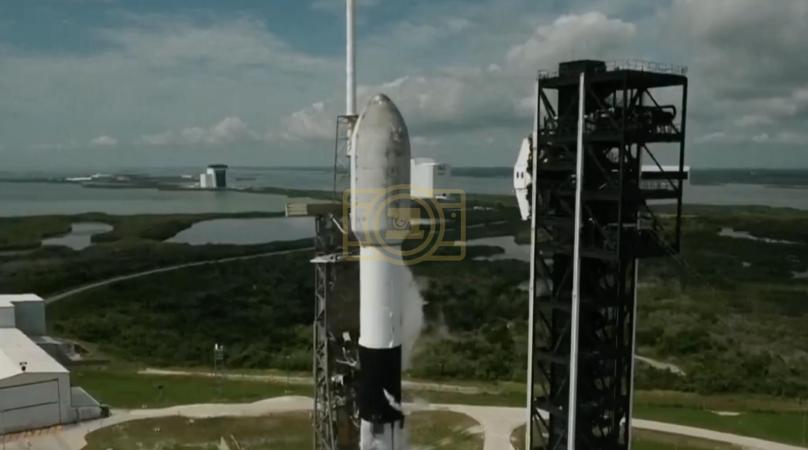
SpaceX has once again expanded its Starlink constellation after a Falcon 9 rocket blasted off from Cape Canaveral Space Force Station in Florida on August 21, carrying 29 Starlink satellites into low-Earth orbit. The mission, designated Starlink 10-39, lifted off from Space Launch Complex 40 as SpaceX continued its rapid launch cadence aimed at expanding high-speed satellite internet coverage around the world. The latest flight marked another major step in the company's increasingly aggressive push to place thousands of satellites into orbit.
The mission also delivered a major numerical milestone for Starlink. The launch marked the 2,000th Starlink satellite deployed during 2026, bringing the total number launched since the constellation's first satellites went up in 2019 to nearly 12,800. Around 10,000 Starlink satellites are currently operational in low-Earth orbit, giving SpaceX one of the largest active satellite networks ever assembled and allowing the company to continually expand capacity and coverage.
The launch also showcased SpaceX's increasingly routine use of reusable rocket hardware. The Falcon 9's first-stage booster successfully completed its 30th flight, before touching down on the autonomous droneship A Shortfall of Gravitas stationed in the Atlantic Ocean. Reusing the same booster dozens of times has become a defining feature of SpaceX's launch strategy, helping reduce the cost and turnaround time associated with deploying the enormous Starlink constellation.
The rapid pace of Starlink launches is transforming the economics and scale of commercial satellite operations. Rather than treating every rocket launch as a one-time event, SpaceX has developed a highly repeatable system in which proven boosters, standardized satellites and established launch infrastructure work together to place large batches of spacecraft into orbit. Each successful mission adds another layer to a network designed to provide broadband connectivity in areas where traditional terrestrial infrastructure can be difficult or expensive to build.
But the latest milestone also highlights the sheer scale of SpaceX's ambitions. With thousands of satellites already operating and thousands more planned, the company is building an orbital network at a pace rarely seen in the history of spaceflight. As Falcon 9 boosters continue flying again and again, the question is no longer whether Starlink can become a massive global constellation—it is how much larger SpaceX intends to make it.