ALASKA: 8 Killed In Charter Plane Crash At Remote Military Radar Site.
Gallery
Videos
Tragedy in Alaska: 8 Killed as Charter Plane Crashes at Remote Military Radar Site
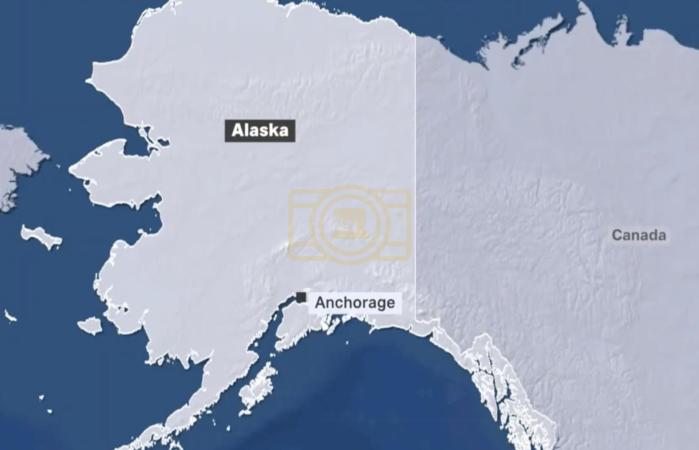
A devastating charter plane crash claimed the lives of all eight people aboard on Thursday when a Cessna 441 went down near a remote U.S. military radar site in western Alaska. The aircraft, operated by Anchorage-based Security Aviation and chartered by the U.S. Army Corps of Engineers, departed from Ted Stevens Anchorage International Airport bound for the Cape Newenham Long Range Radar Site. It crashed around 12:15 p.m. local time near the airfield along the Bering Sea, carrying two pilots and six passengers, including two Army Corps of Engineers employees. Search-and-rescue teams confirmed there were no survivors, and the National Transportation Safety Board is leading the investigation into the cause under reported foggy weather conditions.
The Cape Newenham facility forms part of Alaska’s critical long-range radar network that supports NORAD’s mission to monitor North American airspace and detect potential threats approaching from the north. These remote sites play an essential role in national defense, requiring regular personnel and support flights into some of the most challenging operating environments in the United States. Alaskan Command described the loss as a devastating blow to the military family and the communities served by those who work in such demanding conditions. Fog and low visibility were present in the area at the time of the accident, factors that investigators will carefully examine along with other operational details.
This tragic incident serves as a solemn reminder of the risks faced by the men and women who keep America’s northern defenses operational in some of the harshest terrain on the continent. Thoughts and prayers go out to the families of the pilots and passengers who lost their lives while supporting vital national security infrastructure. As the NTSB continues its thorough investigation, the focus remains on understanding what happened and ensuring the safety of future operations at these remote but strategically important locations. The dedication of those who serve in Alaska’s demanding aviation and defense environments will not be forgotten.