TRUMP BLAMES DEMOCRATS: President Says Election Results Triggered $3 Trillion Stock Market Loss
Gallery
Videos
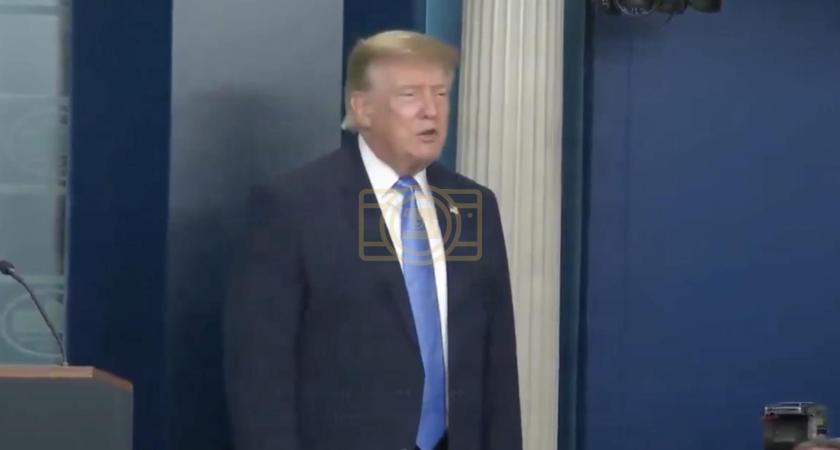
President Donald Trump has blamed Democrats for a massive stock market selloff following their sweeping victories in the November 3, 2026, midterm elections, claiming the political outcome triggered a loss of approximately $3 trillion in market value. Speaking to reporters on November 9, Trump argued that investors reacted negatively to Democratic victories, declaring that “the stock market does not want to see Democrats.” He also claimed that Americans’ 401(k) retirement accounts had suffered because of the election results, insisting that the market decline was not the fault of his administration. Democrats won control of both the House of Representatives and the Senate, along with several key gubernatorial races, marking a significant shift in the political balance of power. The market experienced a sharp decline on November 5, when the Nasdaq Composite fell approximately 5.5% and the S&P 500 dropped 4.36%, while reports placed the loss in S&P 500 market value at roughly $3 trillion. Trump contrasted the decline with a subsequent market rebound, saying investors appeared more confident that his administration had the situation under control.
However, financial reporting points to more specific concerns behind the selloff than the election result alone. Reuters reported that investors were particularly worried Democratic gains in Congress and state governments could lead to tighter regulations on artificial intelligence, restrictions on data center construction and new requirements affecting the technology industry. Those concerns hit semiconductor companies and other businesses tied to the AI infrastructure boom especially hard, with major technology stocks experiencing significant losses. The Nasdaq’s decline also came amid a broader reassessment of highly valued AI-related stocks, suggesting that multiple factors contributed to the market downturn. While the timing of the selloff supports Trump's observation that it followed the Democratic victories, the available market reporting does not establish that Democrats were solely responsible for the losses or quantify how much of the decline was directly attributable to the election. The episode has nevertheless placed the relationship between election outcomes, government regulation and investor confidence at the center of the economic debate.