IRAN WAR: President Trump Says Iran's Military Is “Effectively Over," Warns U.S. Is Ready To Strike
Gallery
Videos
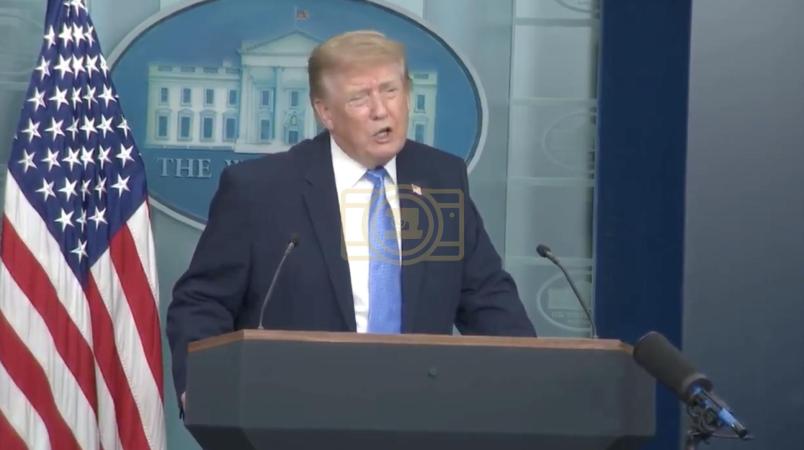
President Donald Trump has declared that Iran’s military has been “effectively” defeated, claiming that American military operations have severely weakened Tehran’s ability to wage war. Speaking at the White House on November 9, Trump said Iran’s Navy and Air Force had been largely destroyed, while its missile and drone manufacturing capability had been reduced by approximately 85 percent. He also claimed that 158 Iranian ships had been sunk and 268 aircraft had been left scattered across the country's runways. Despite describing Iran’s military capabilities as largely dismantled, Trump said the United States was maintaining its current military posture rather than immediately launching additional attacks. “Iran, militarily, is effectively over. We're just keeping it the status quo,” he told reporters. However, Trump did not provide independent evidence during the briefing to substantiate the precise figures he cited, and the military damage assessments remain claims made by the president.
Trump also indicated that diplomatic contacts with Tehran were continuing, describing Iranian representatives as speaking to Washington “very politely” and suggesting there was a good chance of reaching an agreement. He maintained that preventing Iran from obtaining nuclear weapons remains a central U.S. objective and said the administration wants a lasting arrangement rather than a temporary pause in hostilities. At the same time, he warned that American forces remain prepared to resume military operations if negotiations collapse or circumstances change. “I don't guarantee anything, but if we do have to go back in, we are locked and loaded and ready to go,” Trump said. He also pointed to the naval blockade and Operation Iron Gate as ongoing sources of pressure against Iran, while emphasizing that the United States has continued strengthening its military equipment and weapons production. The administration is therefore pursuing diplomacy while retaining the military option, leaving the next stage of the confrontation dependent on whether Washington and Tehran can reach an agreement that addresses American security demands.