PRODUCTION PUSH: REGENT Craft Closes $240 Million to Equip Massive New Factory

Gallery
Videos
Rhode Island startup REGENT Craft has raised $240 million in a Series B funding round announced on August 27, 2026. The capital is split evenly between equity and debt and brings the company’s total funding to $340 million. CEO Billy Thalheimer said the money will equip a new 255,000-square-foot factory dedicated to producing the company’s Viceroy seagliders. Customer deliveries are scheduled to begin in late 2027. The round signals strong investor confidence in the firm’s electric wing-in-ground-effect technology.
The financing was backed by a mix of specialized and strategic investors. Co-leads included Mare Liberum and AE Ventures, while debt financing came from Erebor Bank. Additional participants featured Lockheed Martin Ventures, Founders Fund, and other firms with interests in advanced transportation and defense. The diverse investor group reflects both commercial and military potential for the seaglider platform. Thalheimer emphasized that the funds will primarily support tooling and manufacturing infrastructure needed to move from prototypes to volume production.
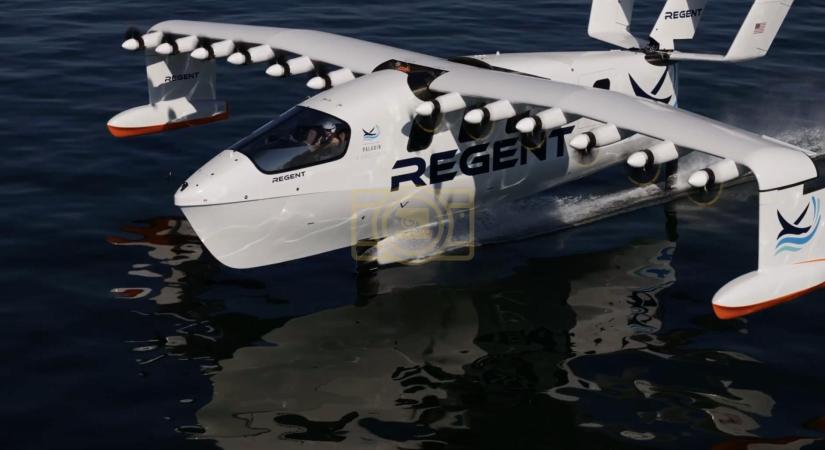
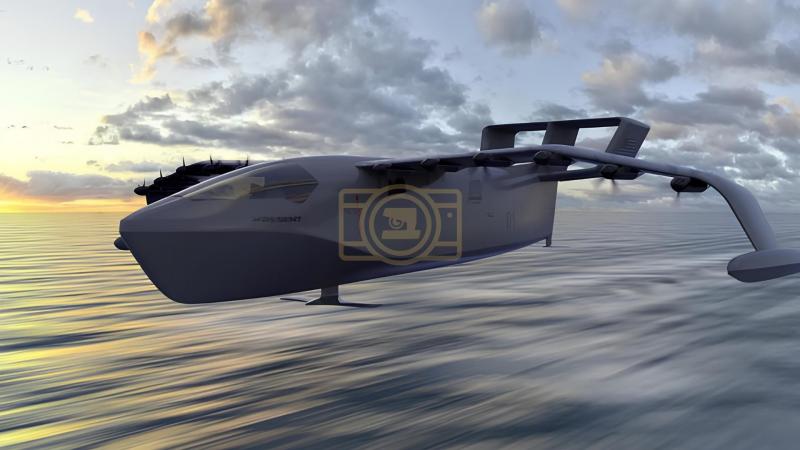
REGENT’s seagliders are electric vehicles designed to operate in three modes: floating on the water surface, rising onto hydrofoils, and flying in ground effect just above the waves. This combination allows efficient, high-speed travel over water without the need for traditional runways or deep-water ports. Video released with the funding news shows both military and passenger prototypes undergoing water trials, factory assembly work, and high-speed runs. The design aims to deliver faster point-to-point coastal transportation while keeping operating costs lower than conventional aircraft or ferries.
Military interest has already translated into concrete contracts. The company holds a $15 million agreement with the U.S. Marine Corps focused on logistics and medical evacuation applications. Commercial customers on six continents have also placed orders, pointing to demand for routes such as coastal city pairs. The dual-use nature of the technology—serving both defense and civilian markets—has helped attract the latest capital. Investors appear to view the seaglider as a practical solution for rapid waterborne transport in regions where infrastructure is limited.
The new factory in Rhode Island will serve as the centerpiece of REGENT’s production ramp. Once fully equipped, the facility is expected to support the transition from limited prototype builds to serial manufacturing of the Viceroy model. Thalheimer described the investment as essential for installing the specialized tooling required to meet delivery timelines. Success in scaling production will determine whether the company can convert its current order book and military contracts into sustained revenue. The late-2027 delivery target remains the near-term benchmark for progress.
With the Series B closed, REGENT Craft moves from technology demonstration into the industrial phase of its development. The combination of substantial funding, a large manufacturing site, and early customers on both the military and commercial sides positions the company for a critical test of execution. If the factory comes online as planned and the Viceroy performs to specifications, electric seagliders could begin appearing on coastal routes and in military logistics roles within the next two years. For now, the $240 million infusion provides the resources needed to turn that prospect into reality.