IDF PREPARES MAJOR FORCE REDUCTIONS: Zamir Weighs Troop Drawdown Across Gaza and Lebanon by 2027

Gallery
Videos
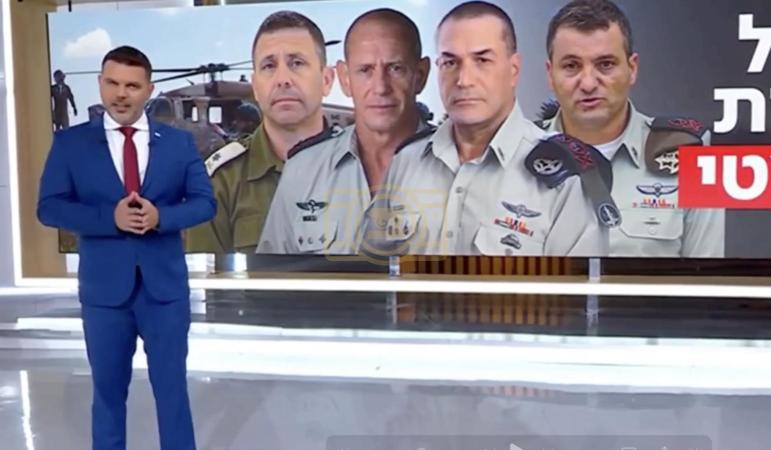
The Israel Defense Forces is preparing a significant restructuring of its military deployments across multiple combat fronts, with Chief of Staff Lt. Gen. Eyal Zamir reportedly advancing plans to reduce troop levels during 2027. According to military correspondent Hallel Bitton Rosen of Channel 14, details emerged following a closed-door meeting at the Kirya military headquarters in Tel Aviv, where Zamir presented a plan involving substantial reductions across several commands. The reported proposals include withdrawing one division from the Gaza Strip, reducing the military presence in Lebanon, and removing nine battalions across the Northern, Southern, and Central Commands. The reported changes could also include withdrawing a divisional headquarters from Lebanon and reducing the number of military positions in certain areas. The timing has attracted attention amid possible political changes in Israel, with reports suggesting that the military is preparing options that could be implemented under a future government. However, the reported plan should not be interpreted as confirmation that Israel has decided to abandon its security positions or completely withdraw from these fronts.
Separate reporting on the IDF's official 2027 combat plan confirms that the military intends to reduce the number of battalions assigned to ongoing security missions while restoring training time and easing the burden on reservists. According to the Jerusalem Post, the military plans to reduce its deployed battalion count from 75 to 67, while maintaining a force substantially larger than its pre-October 7, 2023 strength. The plan also calls for limiting combat reservists to a maximum of 58 days of service in 2027, subject to operational requirements. Military officials have cited prolonged deployments, personnel fatigue, equipment wear, and insufficient training opportunities as reasons for adjusting the current force structure. These changes indicate an effort to make Israel's military posture more sustainable without abandoning its defensive responsibilities along the country's borders. The critical question is how much of the reported drawdown will actually be implemented, particularly if the political leadership or security situation changes before 2027.