SYRIA NUCLEAR: Shaibani Affirms Material Exists and Remains Under Supervision in Syria.

Gallery
Videos
SYRIA: Confirms Nuclear Material in Deir ez Zor Under IAEA Watch
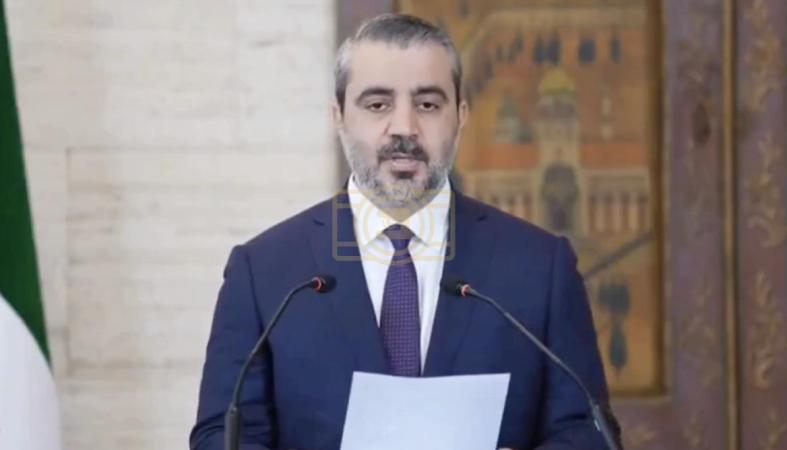
Syrian Foreign Minister Asaad Shaibani confirmed that nuclear material exists at a site in Deir ez Zor and stated that it will remain on Syrian territory under the supervision of the International Atomic Energy Agency. Speaking at a joint press conference in Damascus with IAEA Director General Rafael Grossi, Shaibani underscored Syria’s position on the matter. He affirmed the country’s sovereign and legal right to possess a peaceful civilian nuclear program and to benefit from its applications. The remarks come as Syria continues to engage with international nuclear inspectors.
Shaibani said cooperation between Syria and the IAEA has reached advanced stages and that transparency is the approach Damascus has chosen. He expressed hope that Grossi’s forthcoming report would accurately reflect the progress made in nuclear cooperation. The foreign minister framed the presence of the material as consistent with Syria’s declared civilian nuclear intentions. By keeping the material on Syrian soil under agency oversight, the government is signaling both control and a willingness to work within international frameworks.
The joint appearance with the IAEA chief highlights the ongoing diplomatic track between Damascus and the nuclear watchdog. Shaibani’s public confirmation of the material’s existence and location marks a notable statement of record. He repeatedly tied the issue to Syria’s right to peaceful nuclear technology while stressing the role of IAEA supervision. The press conference provided a platform for both sides to address the status of cooperation directly.
As the IAEA prepares its report, attention will remain fixed on how the agency characterizes the current level of transparency and progress. Shaibani’s comments leave little ambiguity about Syria’s stance: the nuclear material stays in Deir ez Zor, remains under international supervision, and forms part of what Damascus describes as a legitimate civilian program. The exchange in Damascus adds a new public chapter to the long-running discussion of nuclear activities on Syrian territory.